.


Architecture
 Ref: 9796_01
  Ref: 9796_02
  Ref: 9796_03
  Ref: 9796_04
  Ref: 9796_05
  Ref: 9796_06
  Ref: 9796_07
  Ref: 9796_08
  Ref: 9796_09
  Ref: 9796_10
  Ref: 9796_11
  Ref: 9796_12
  Ref: 9796_13
  Ref: 9796_14
  Ref: 9796_15
  Ref: 9796_16
  Ref: 9796_17
  Ref: 9796_18
  Ref: 9796_19
  Ref: 9796_20
  Ref: 9796_21
  Ref: 9796_22
  Ref: 9796_23
  Ref: 9796_24
  Ref: 9796_25
  Ref: 9796_26
  Ref: 9796_27
  Ref: 9796_28
  Ref: 9796_29
  Ref: 9796_30
  Ref: 9796_31
  Ref: 9796_32
  Ref: 9796_33
  Ref: 9796_34
  Ref: 9796_35
 Architects
Promoter
Todobarro soluciones S.L.U. / Universidad de Málaga
Builder
Lasor S.L.
Collaborators
Colaboradores:
ETS Arquitectura:
Jorge Barrios Corpa
Alberto García Marín
Innovarcilla:
José Ángel Laguna Martínez
José Pérez Fenoy
Cátedra de Cambio Climático:
Ángel Enrique Salvo Tierra
Pedro Miguel Guerrero Serrano
Pablo Cozano Pérez
Begoña Galindo Ruíz
Related links
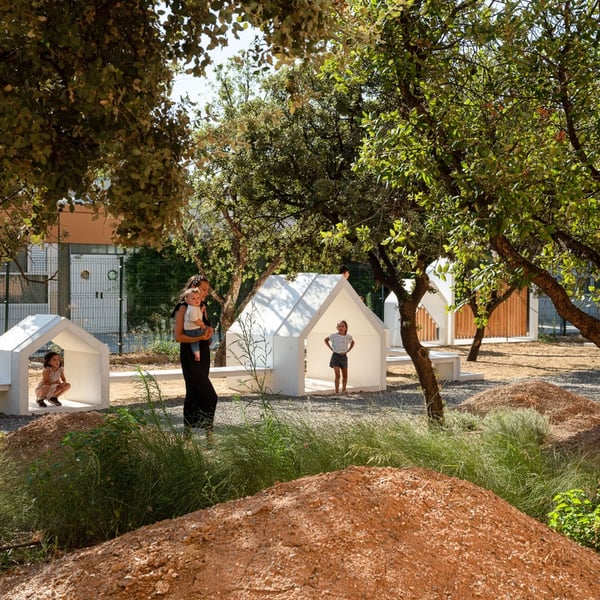
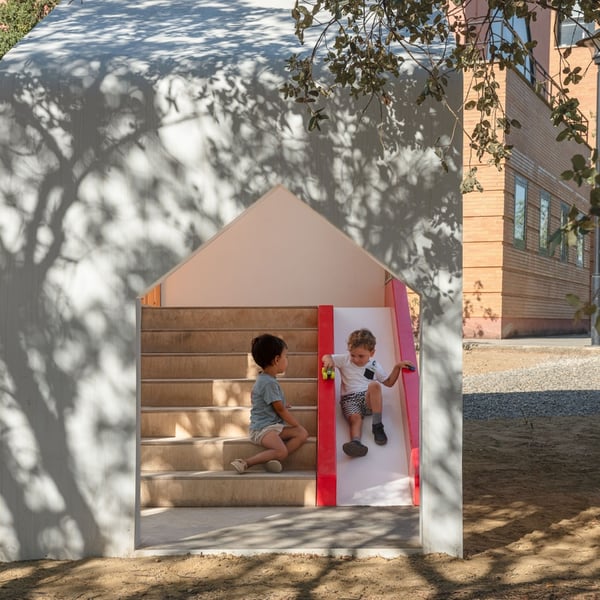
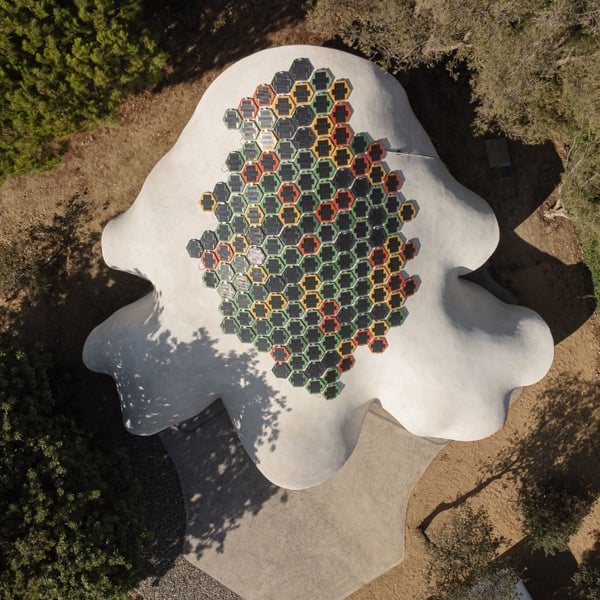
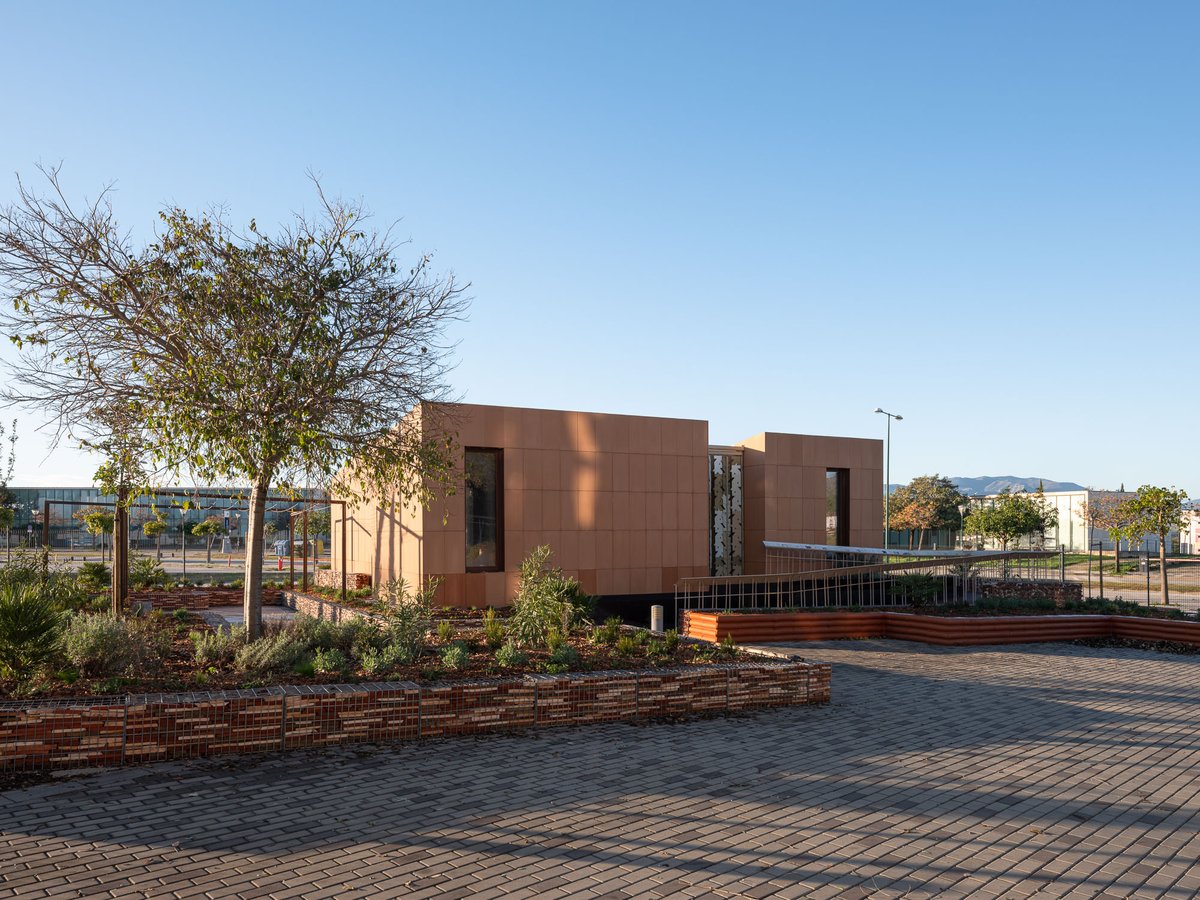
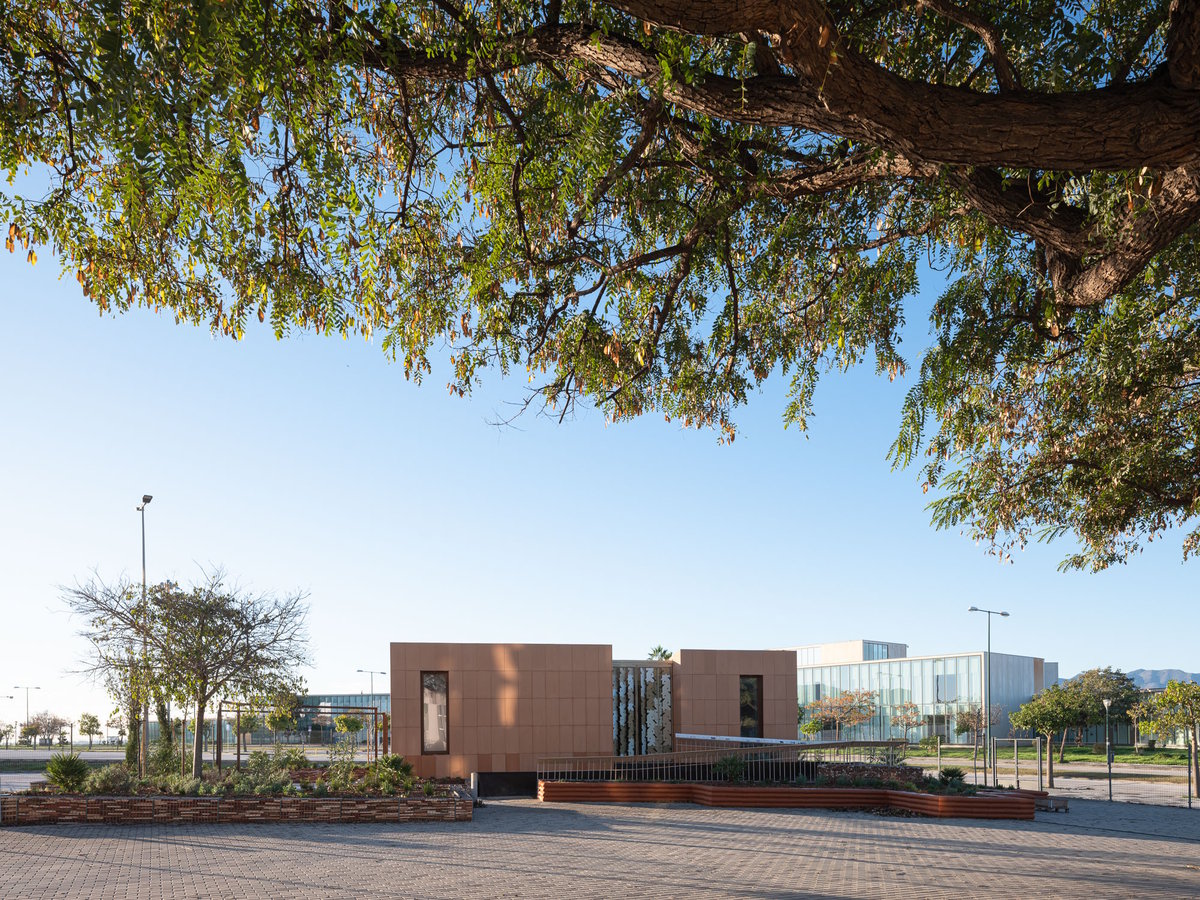
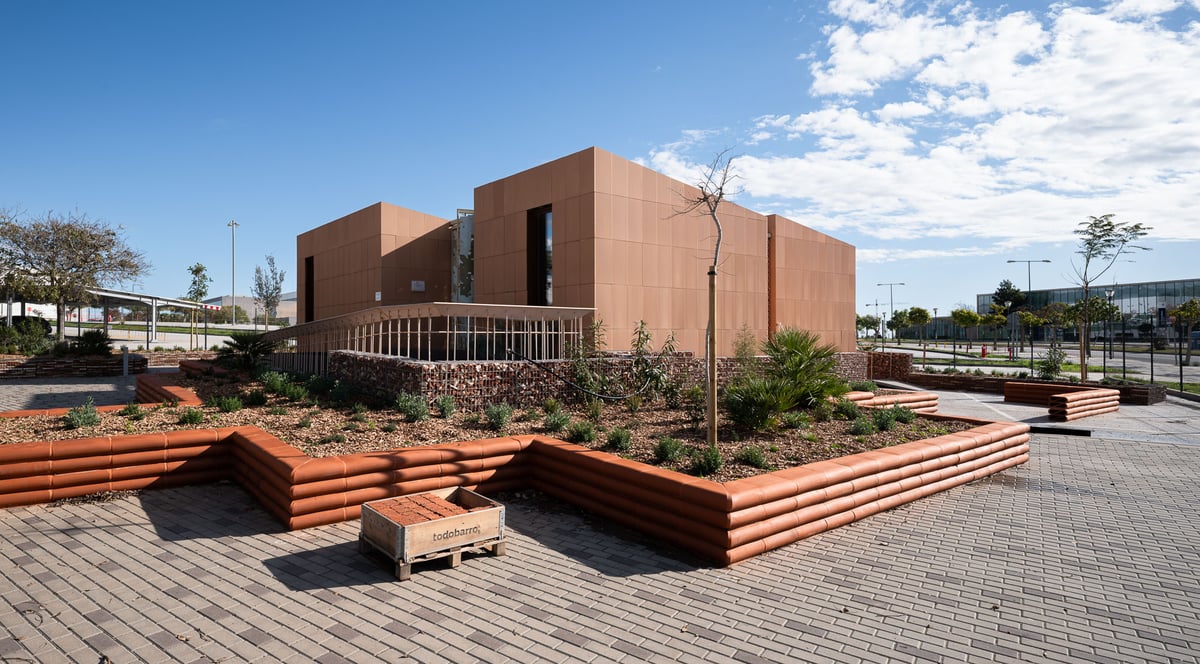
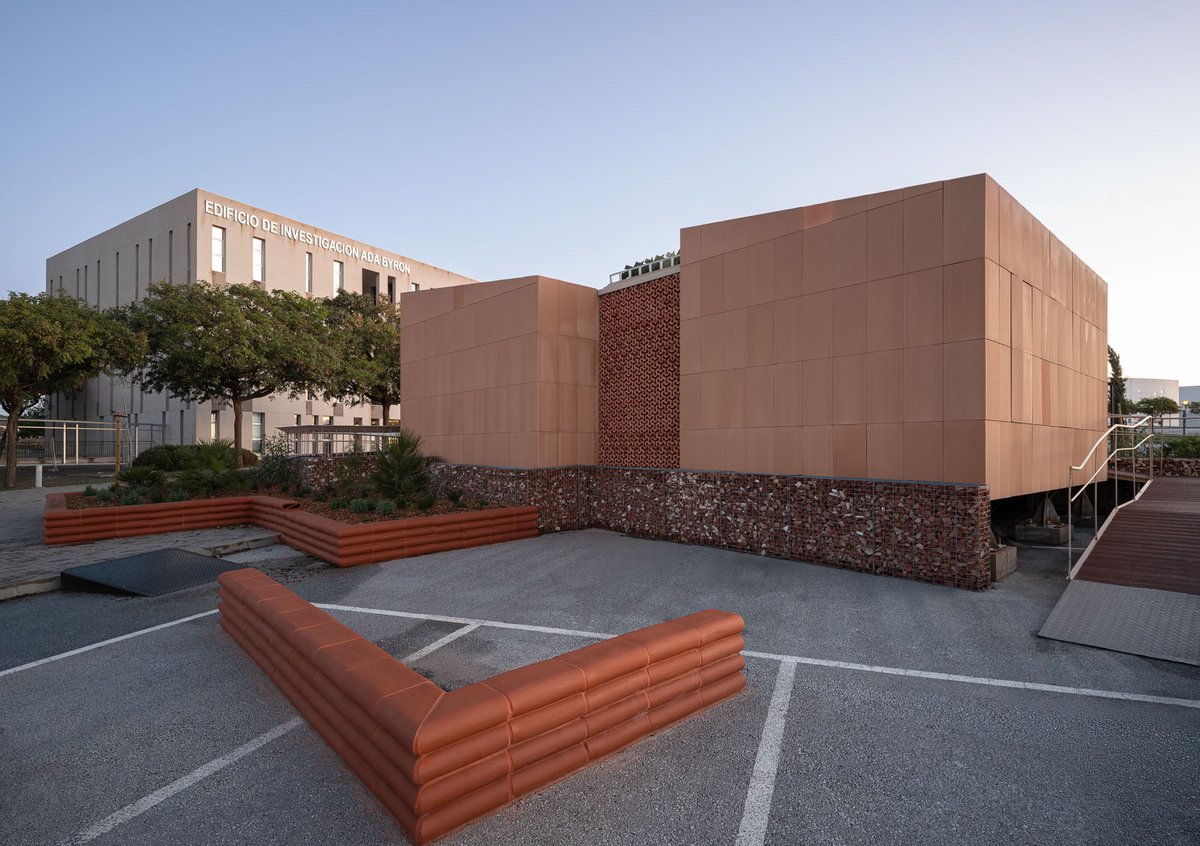
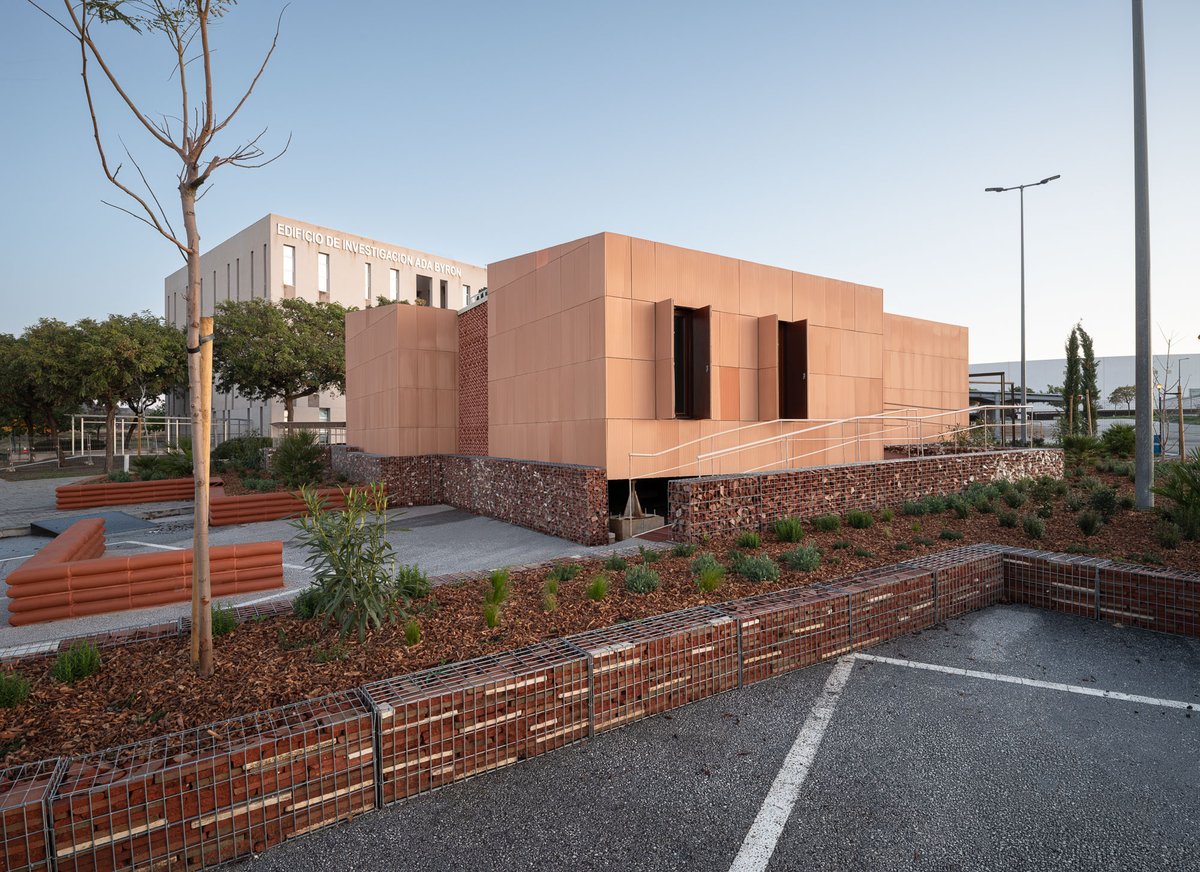
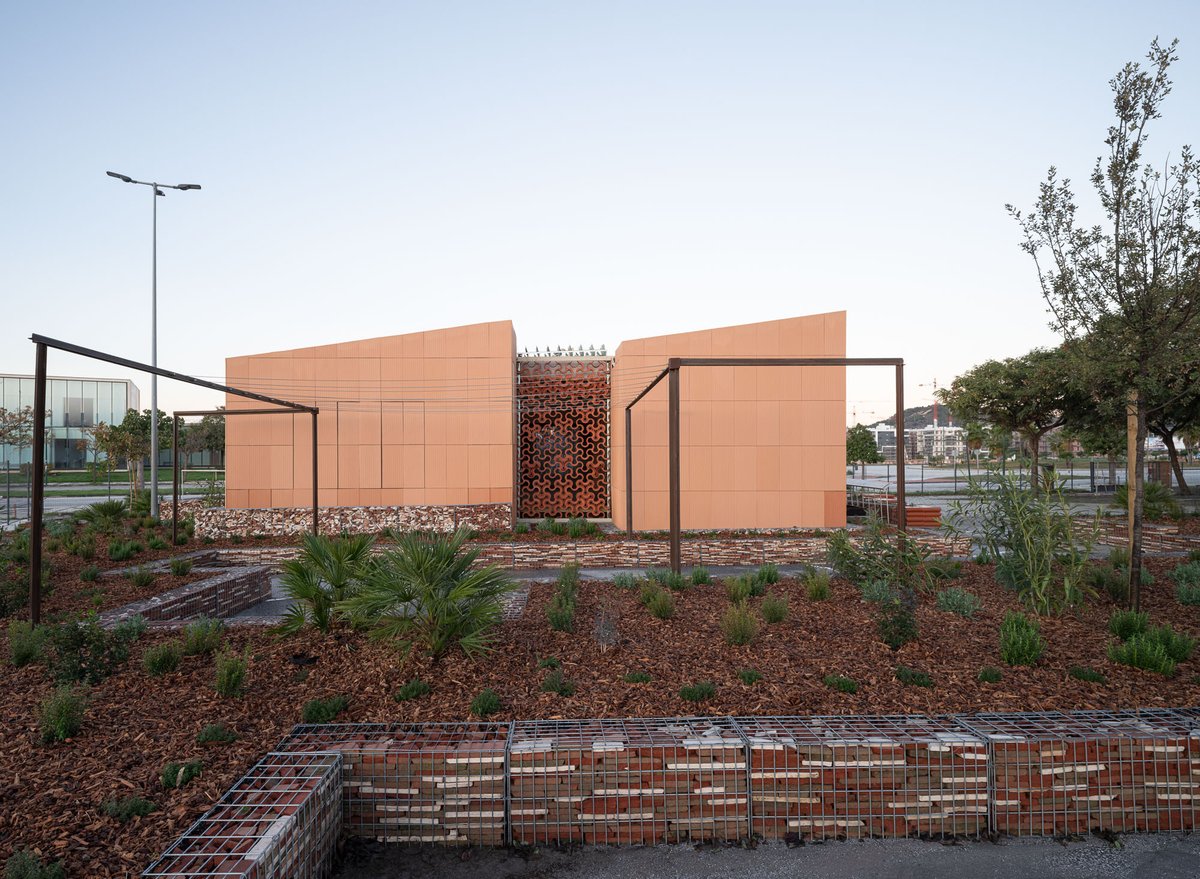
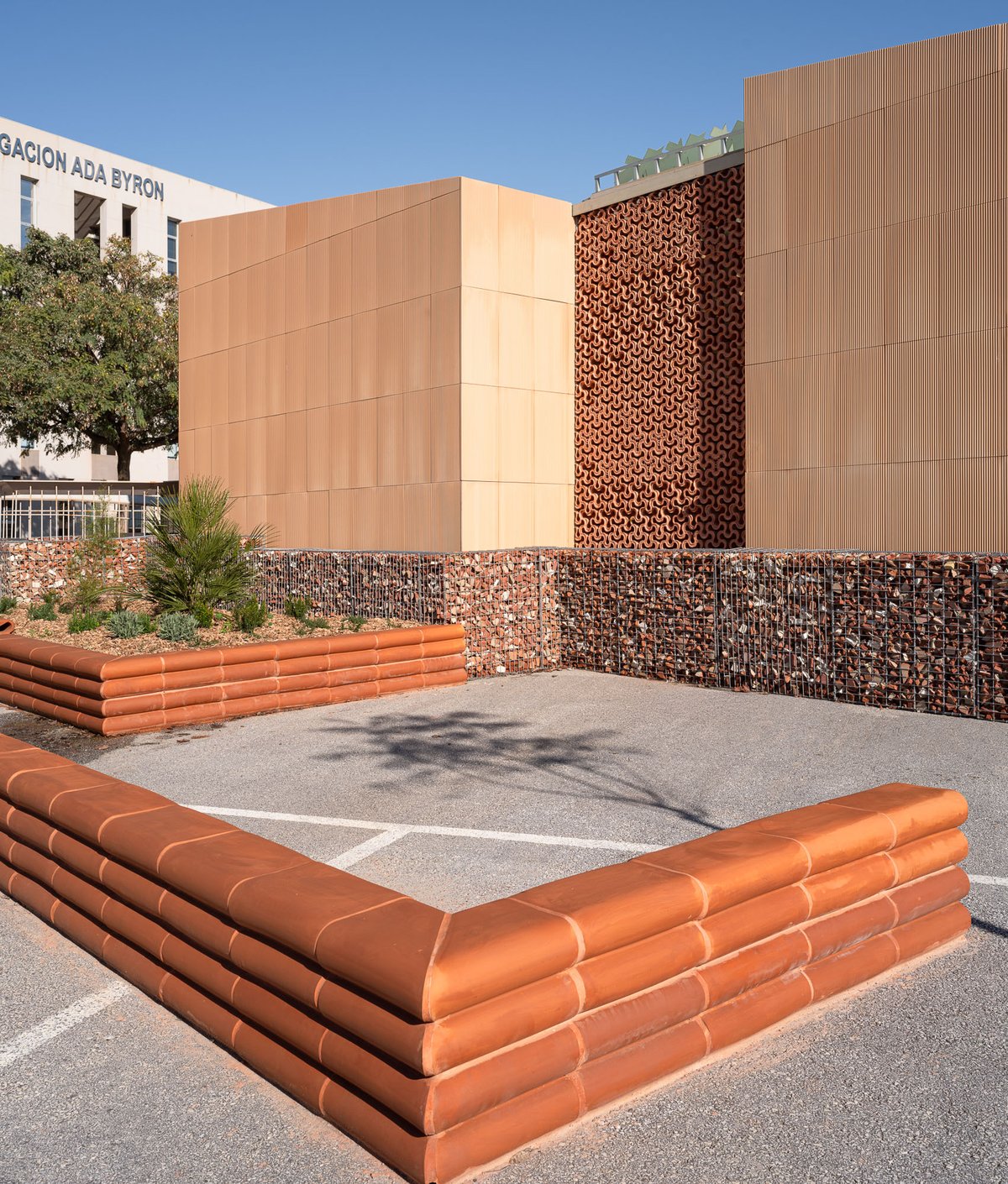
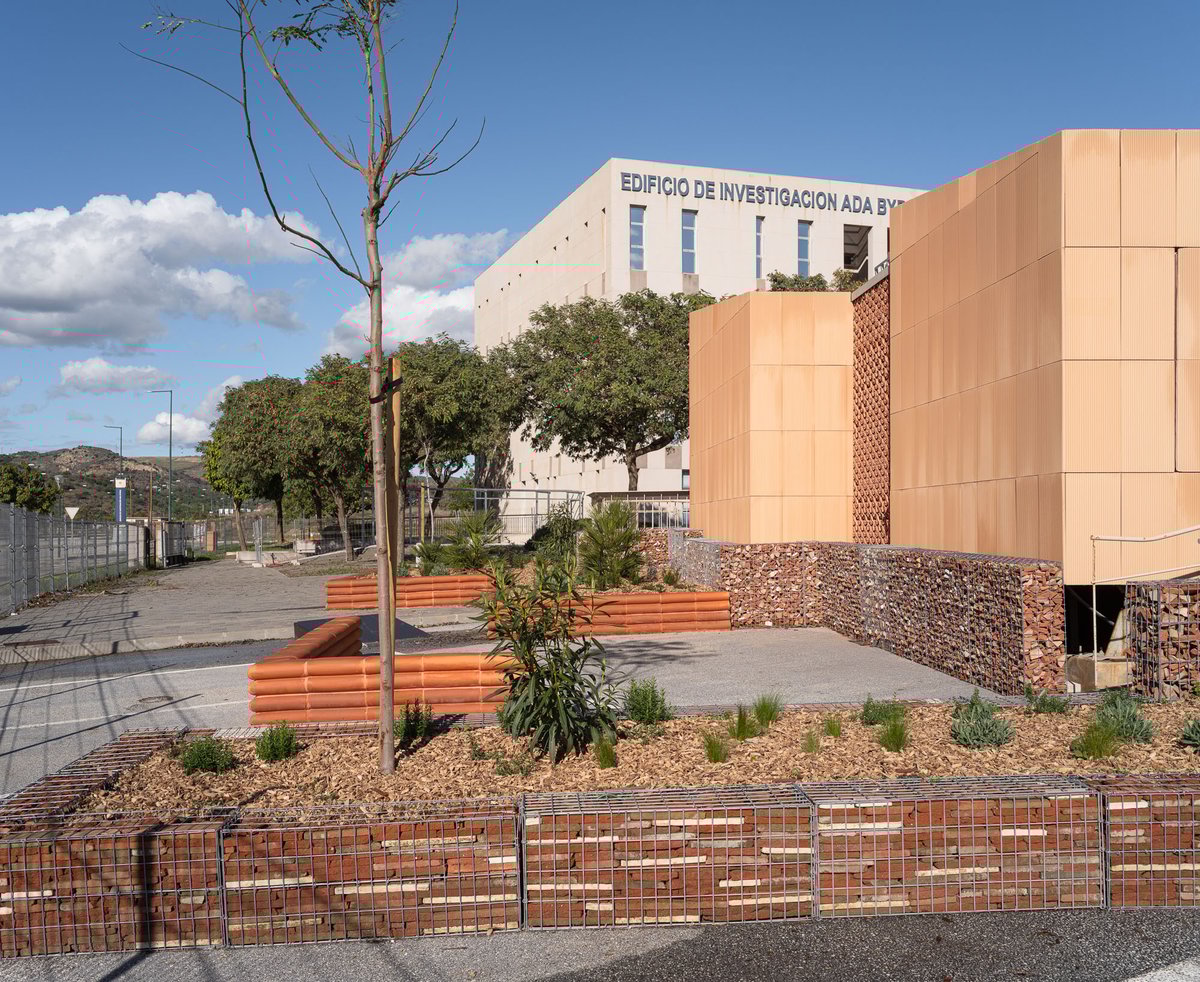
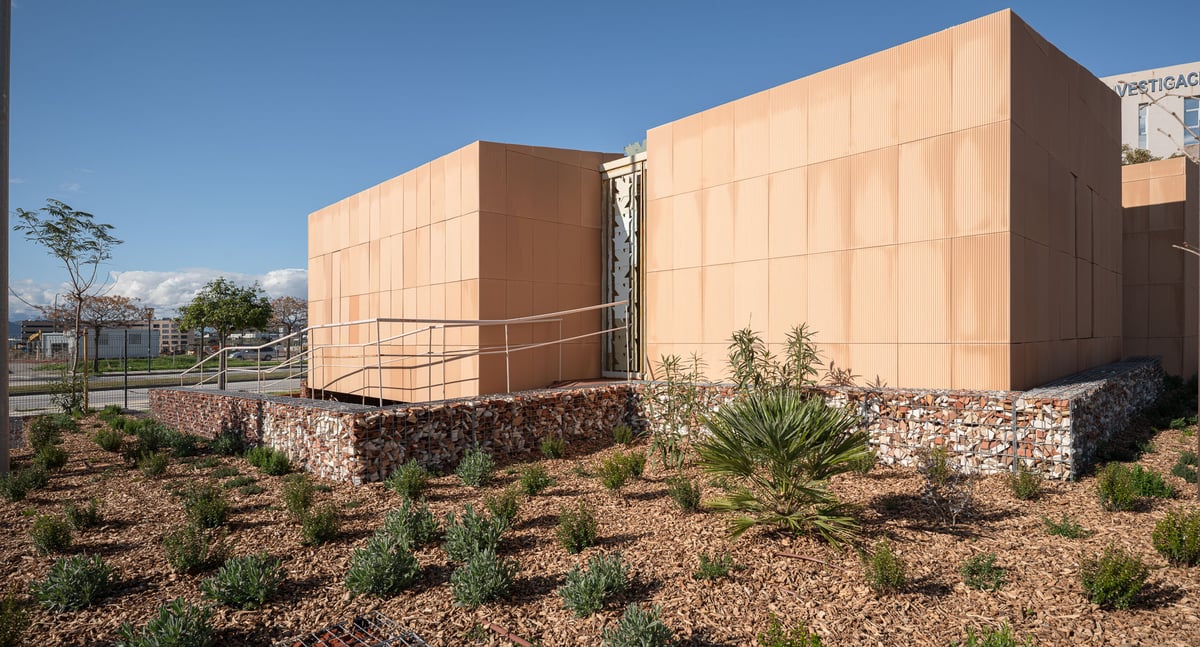
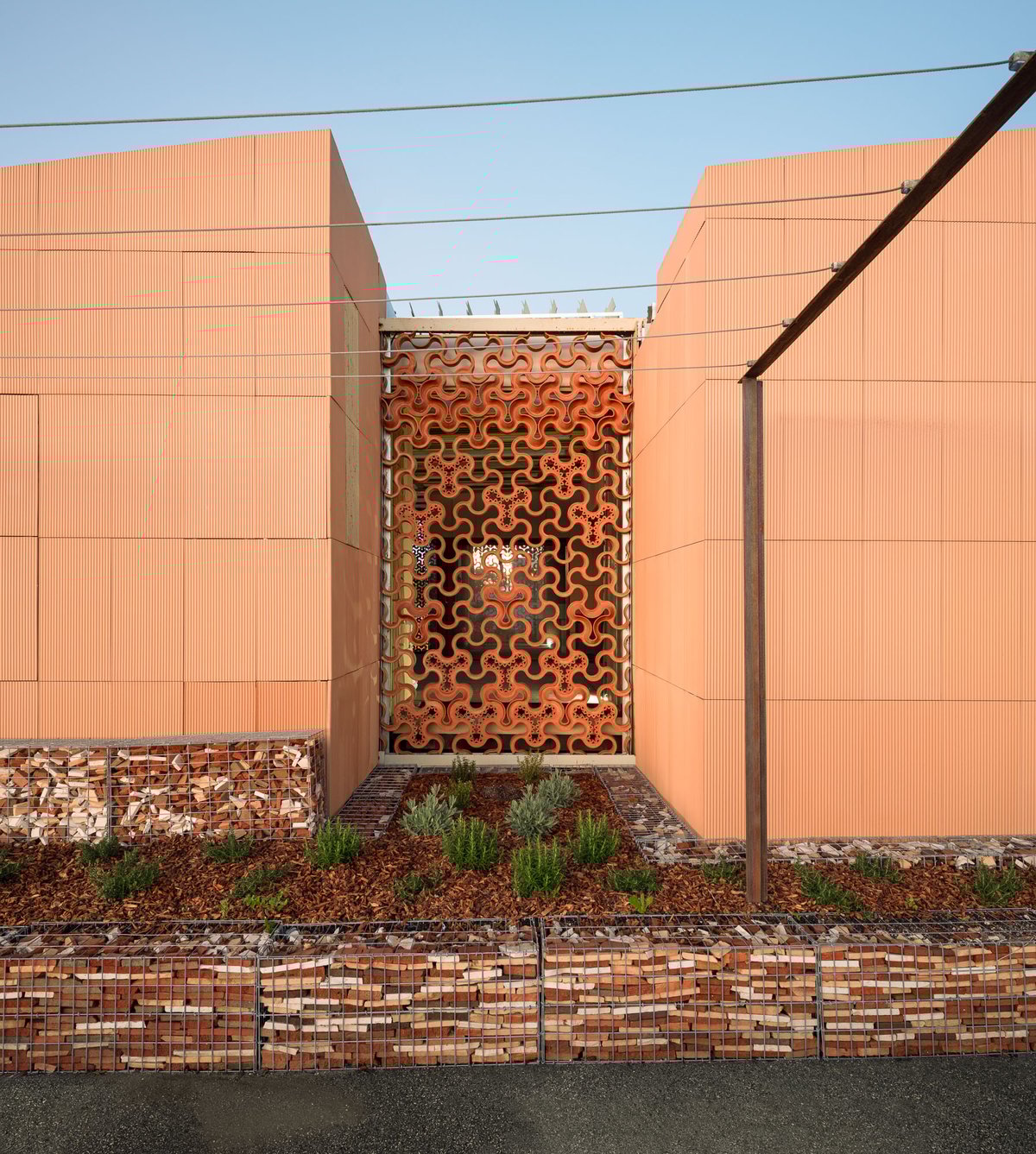
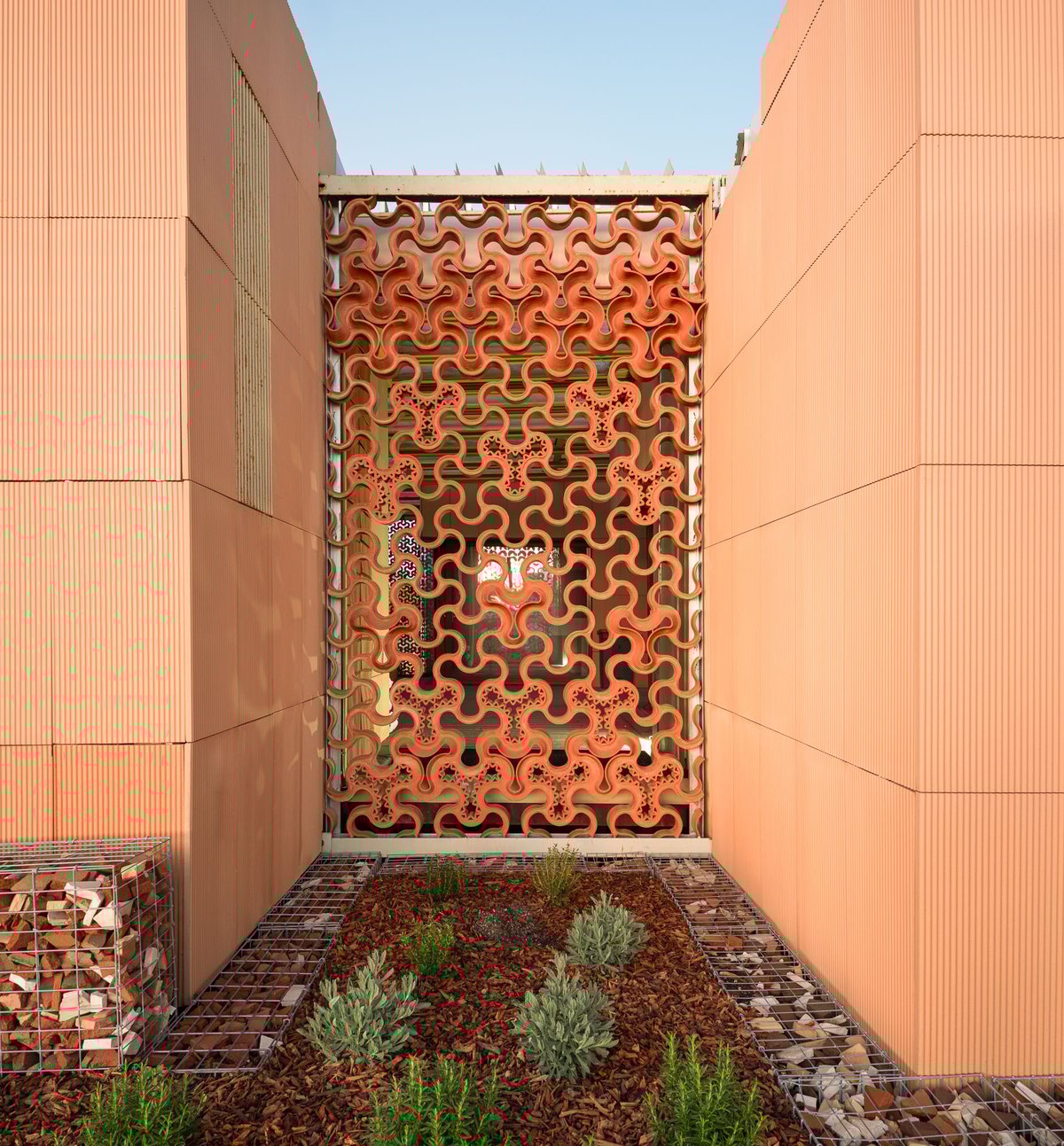
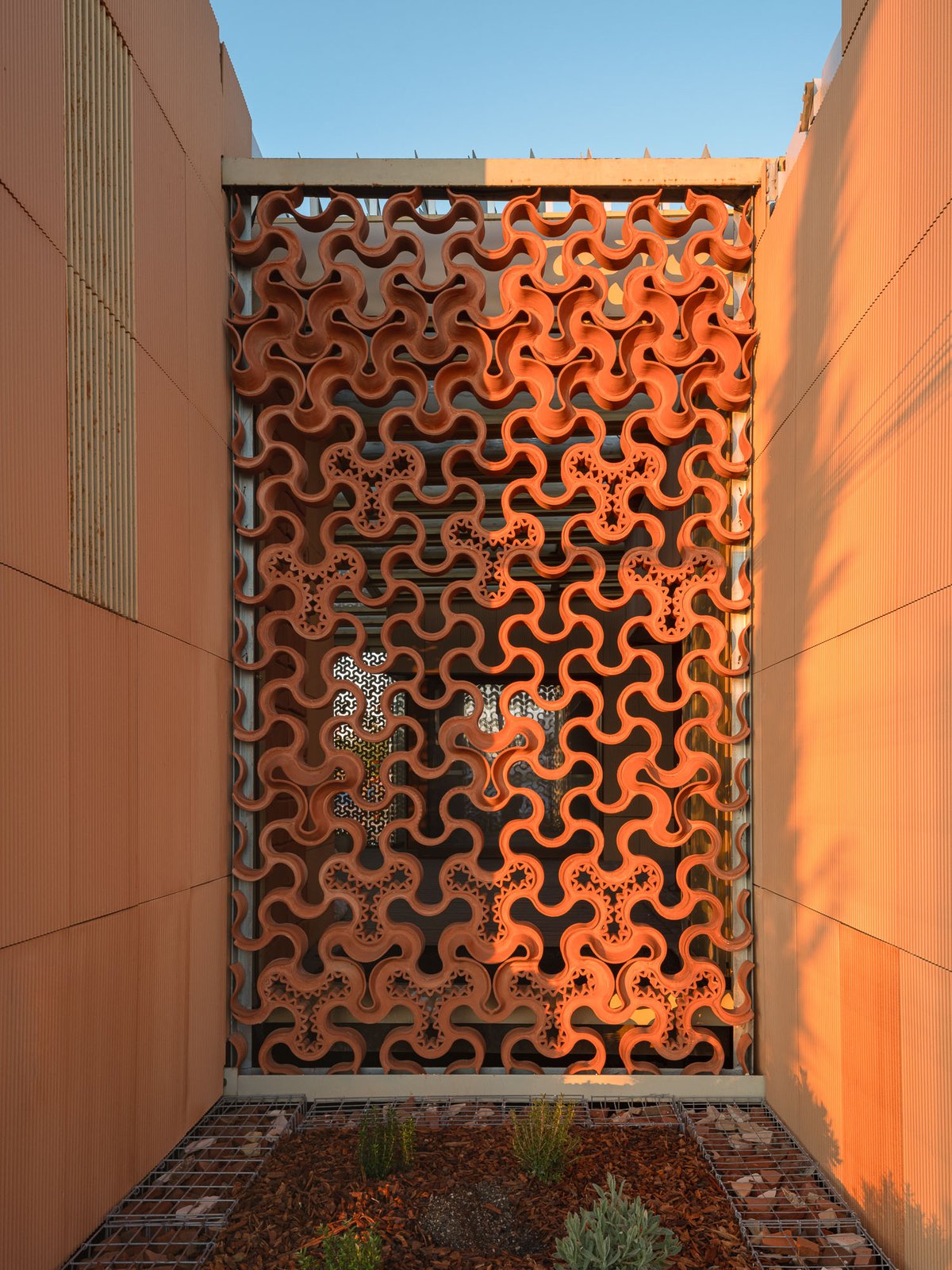
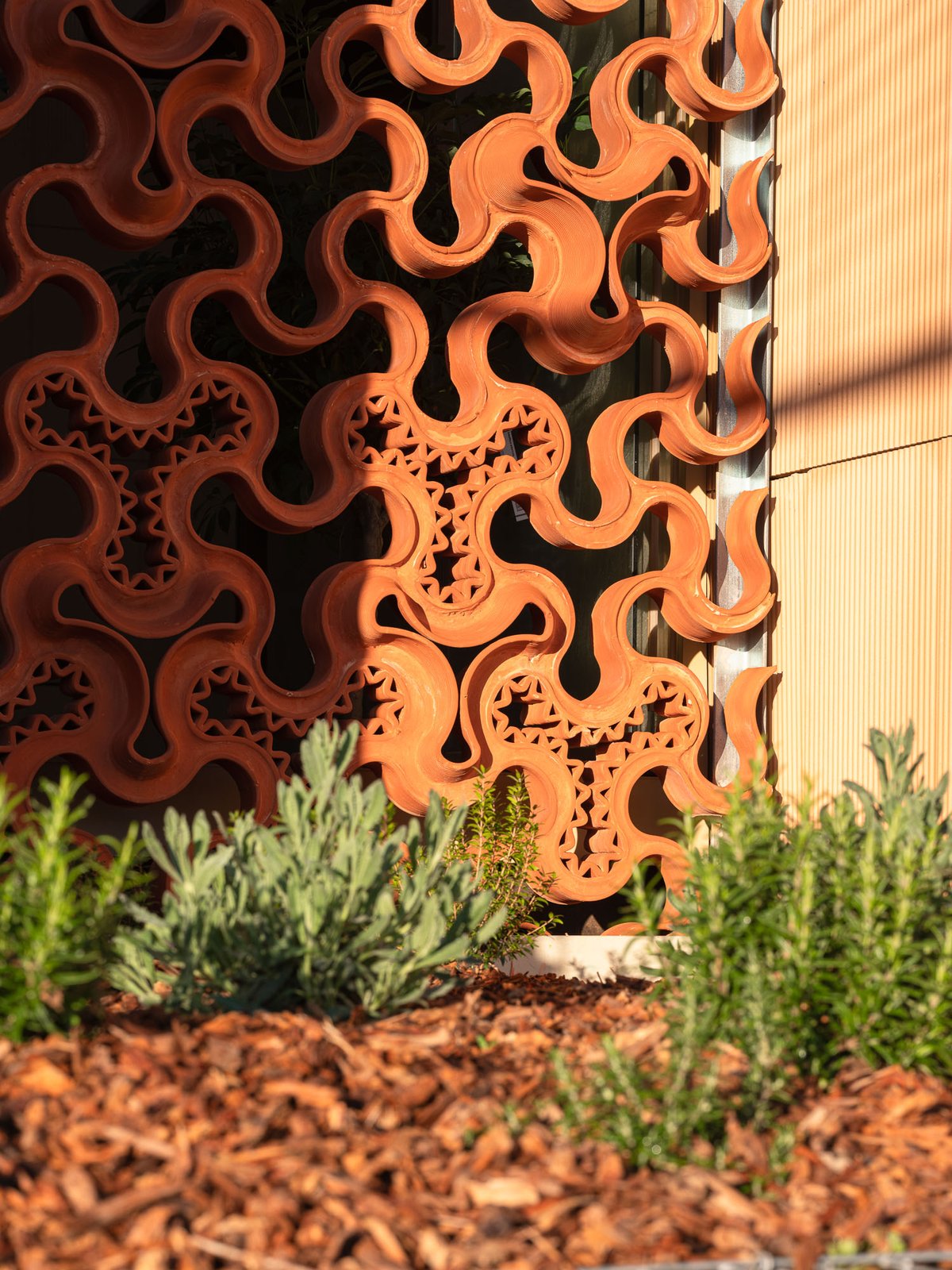
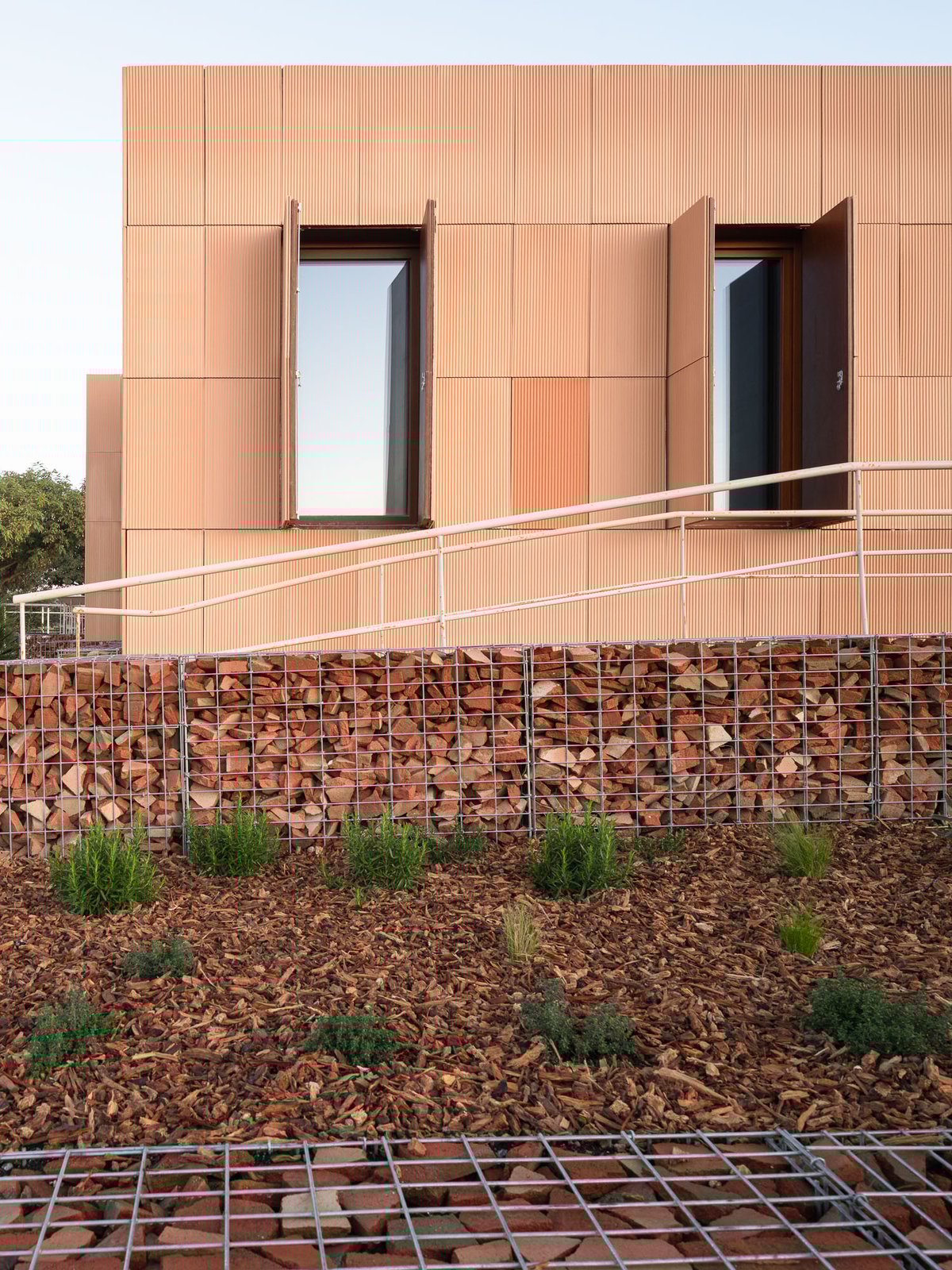
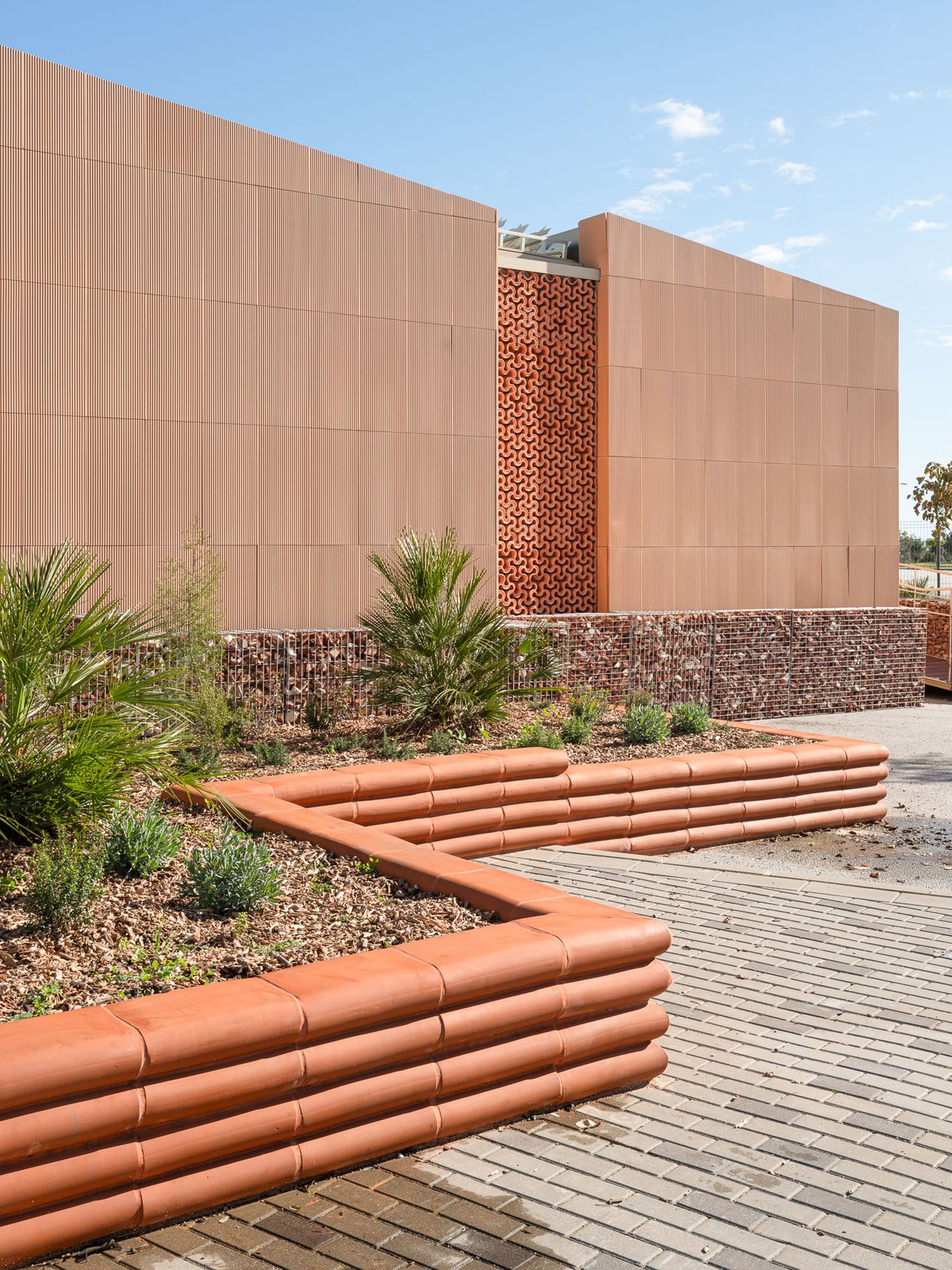
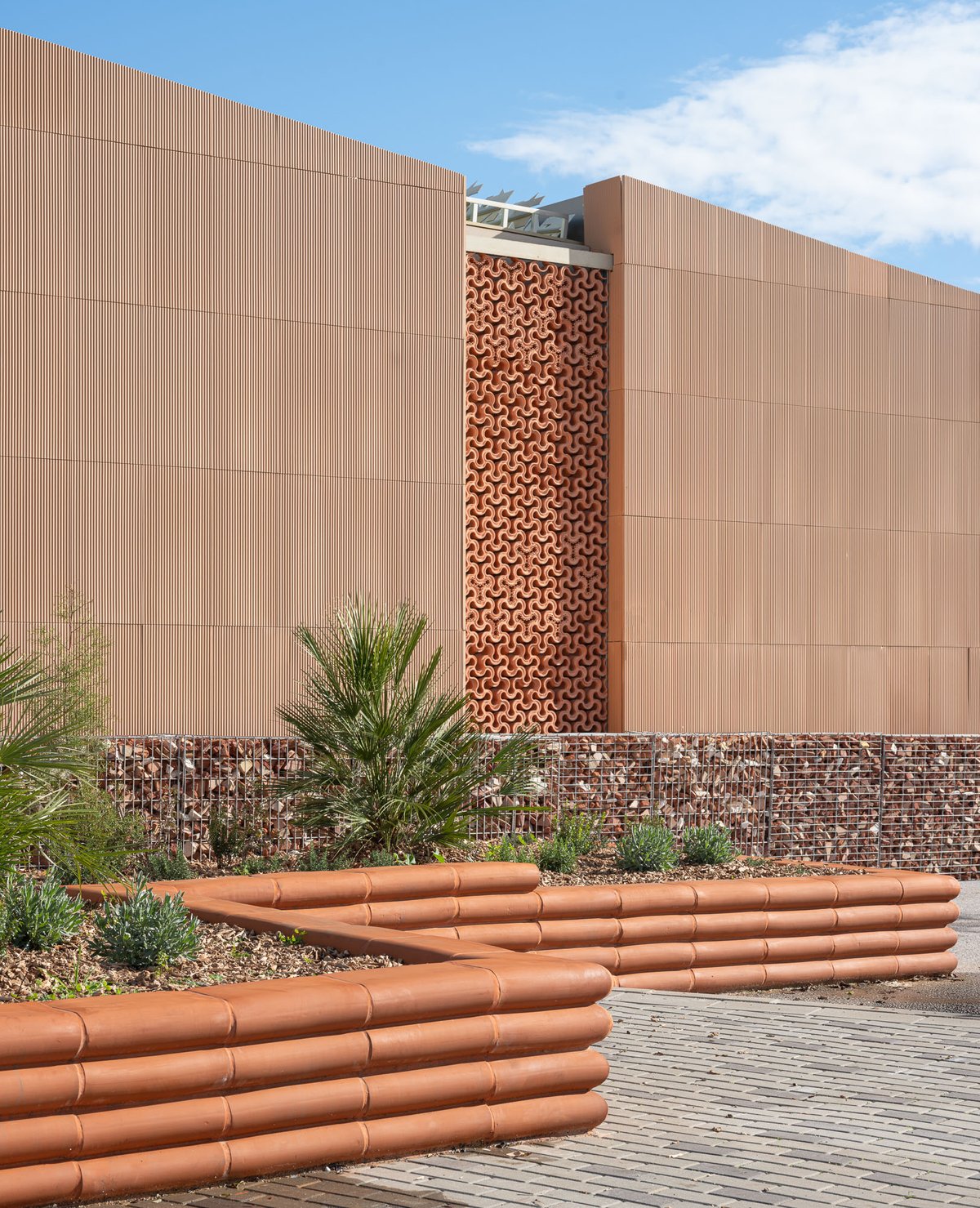
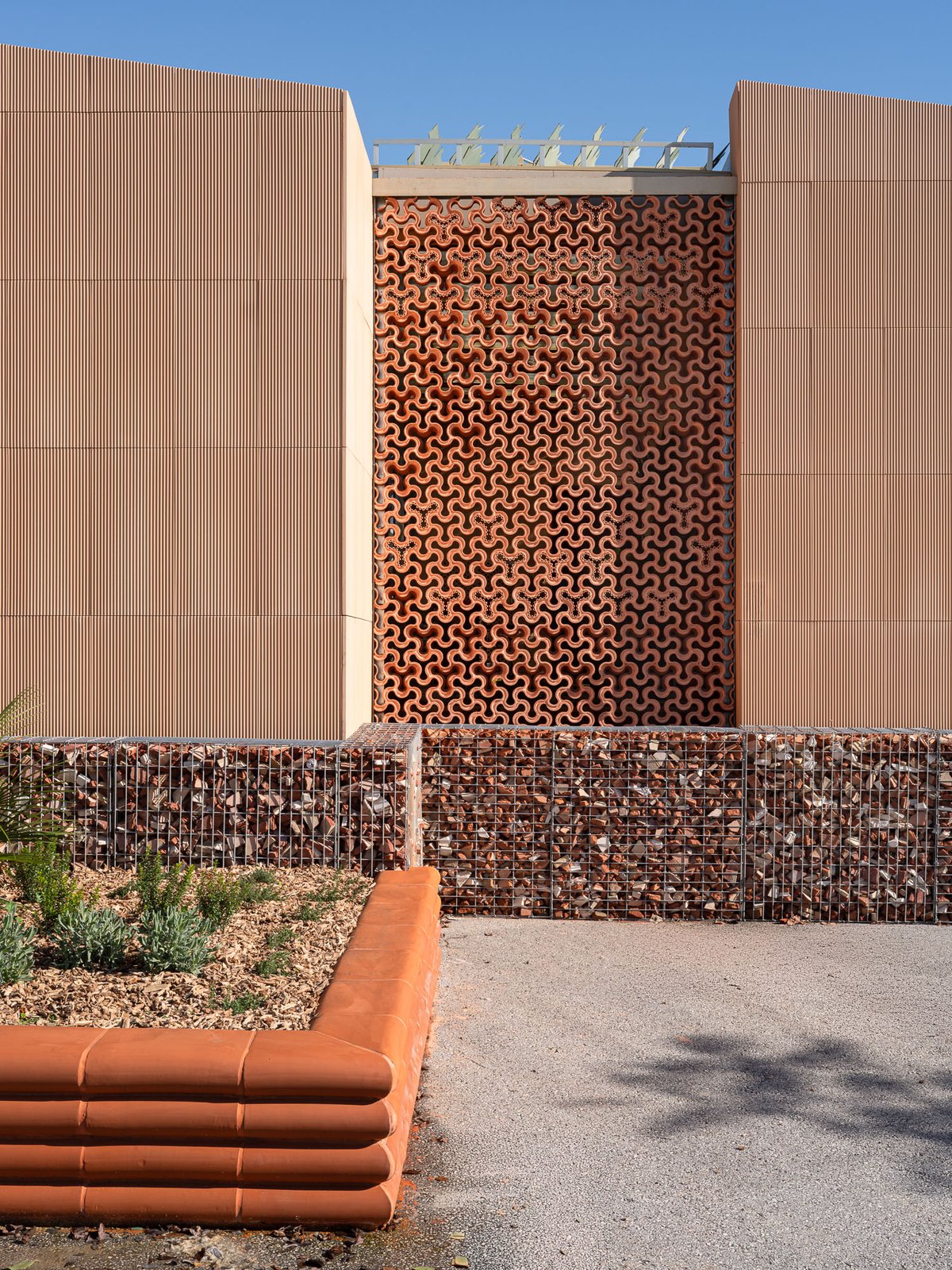
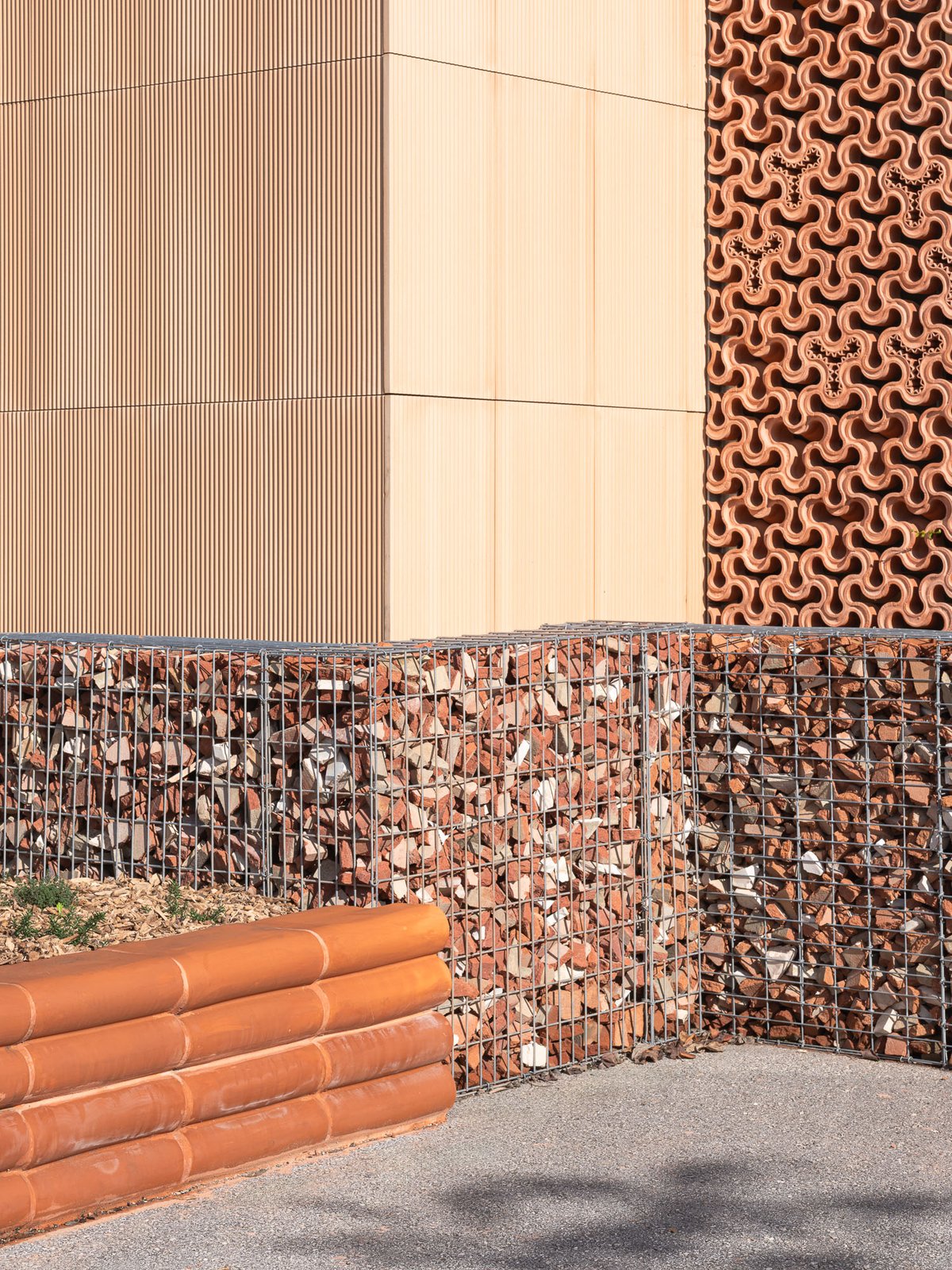
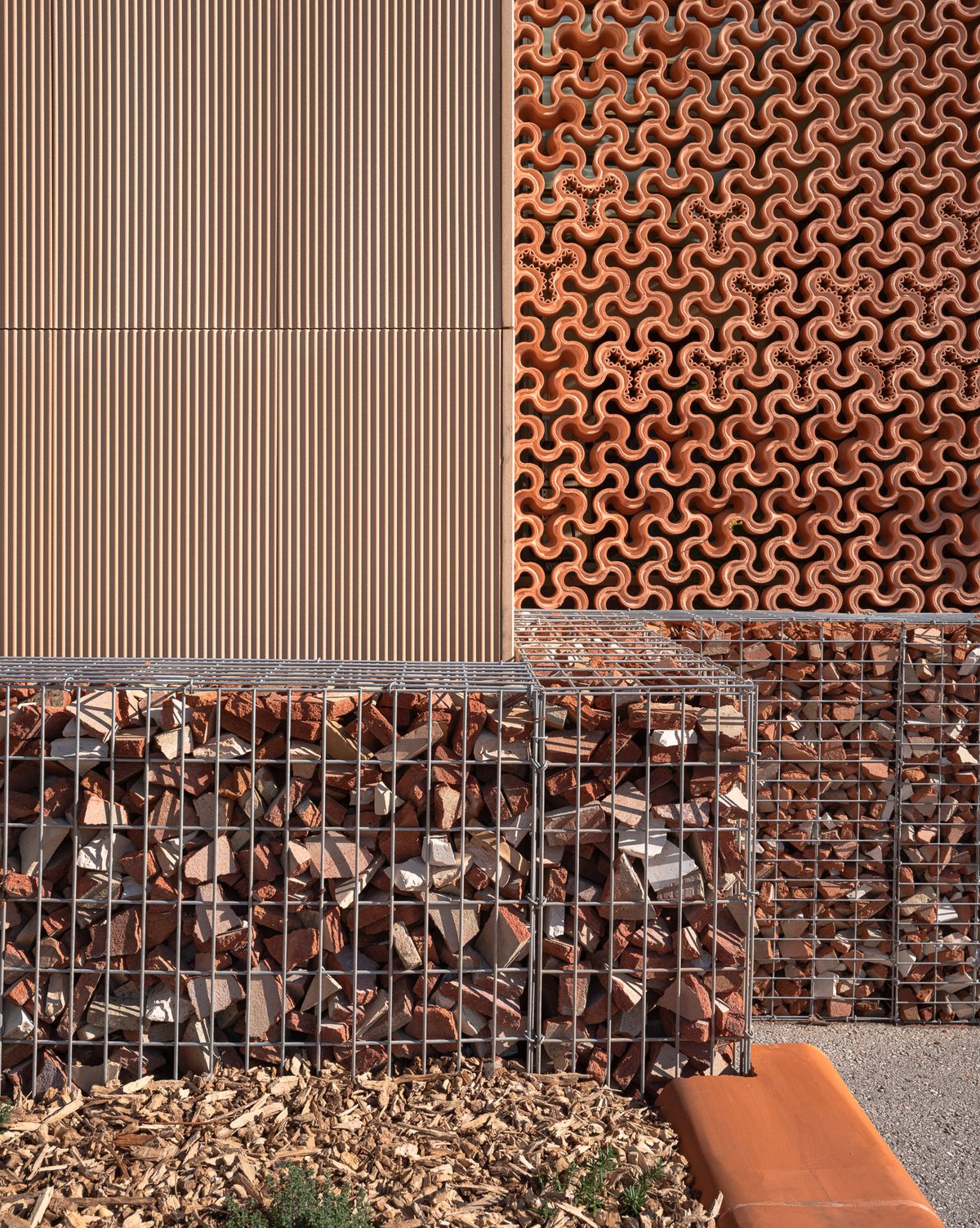
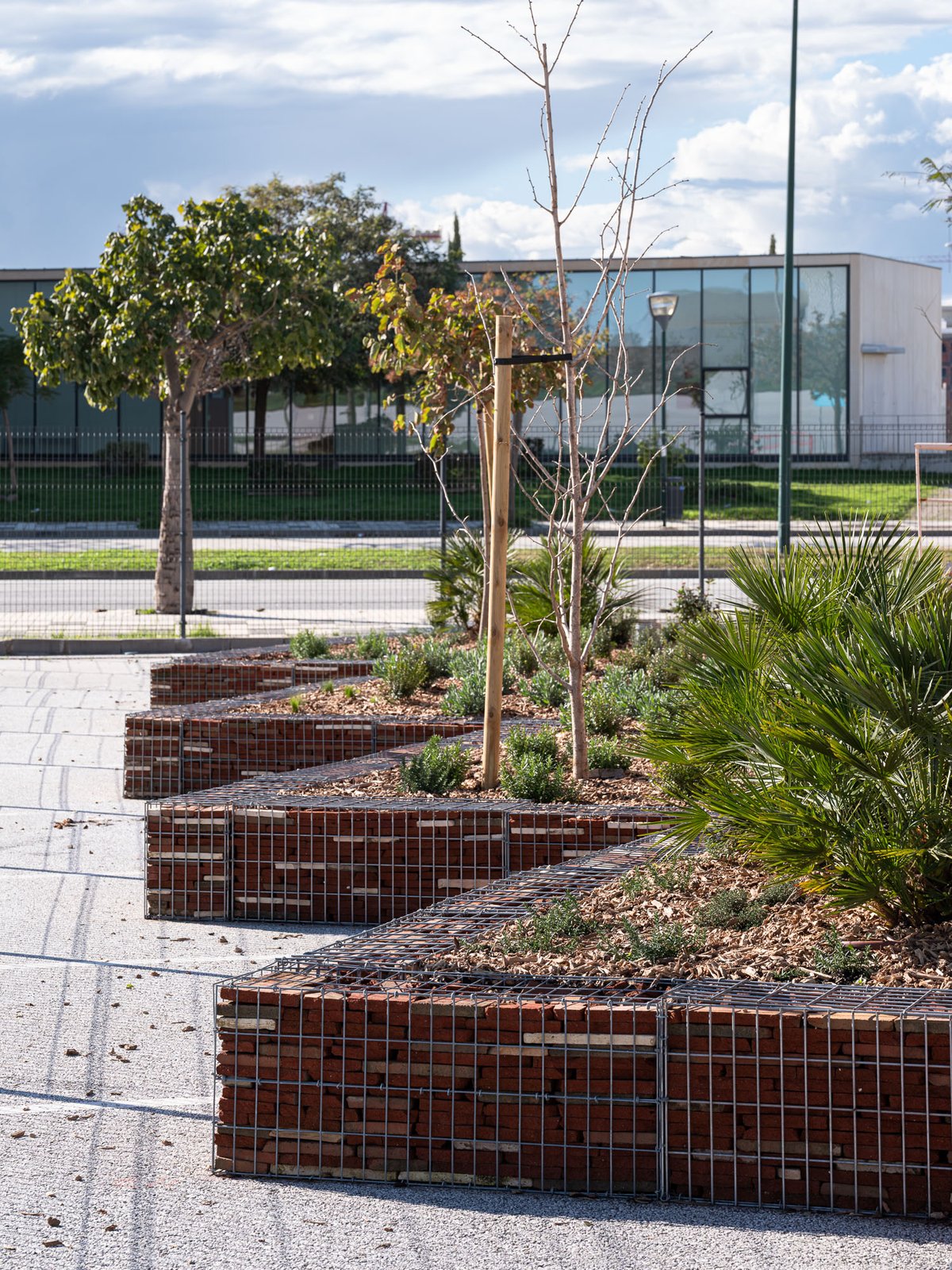
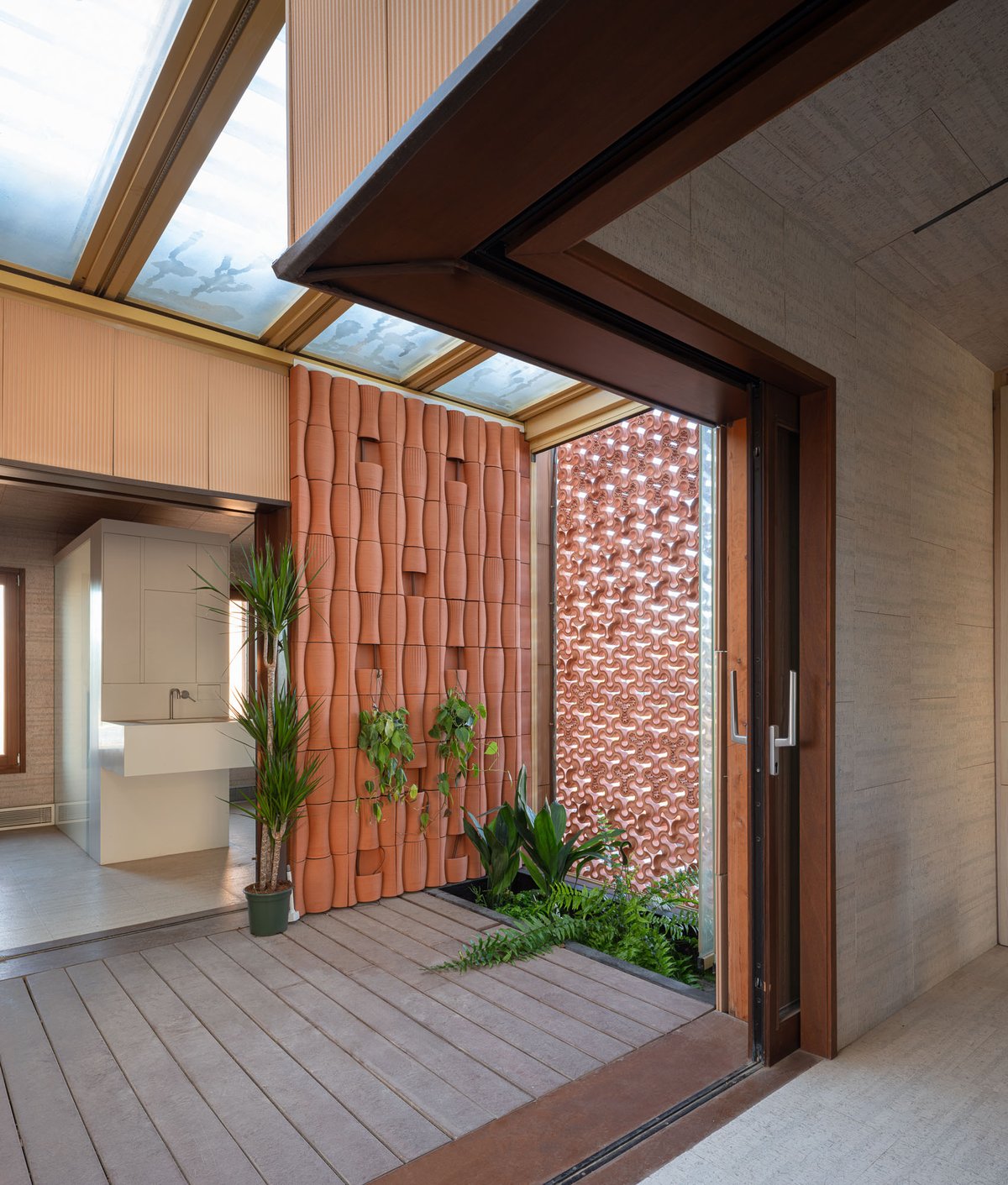
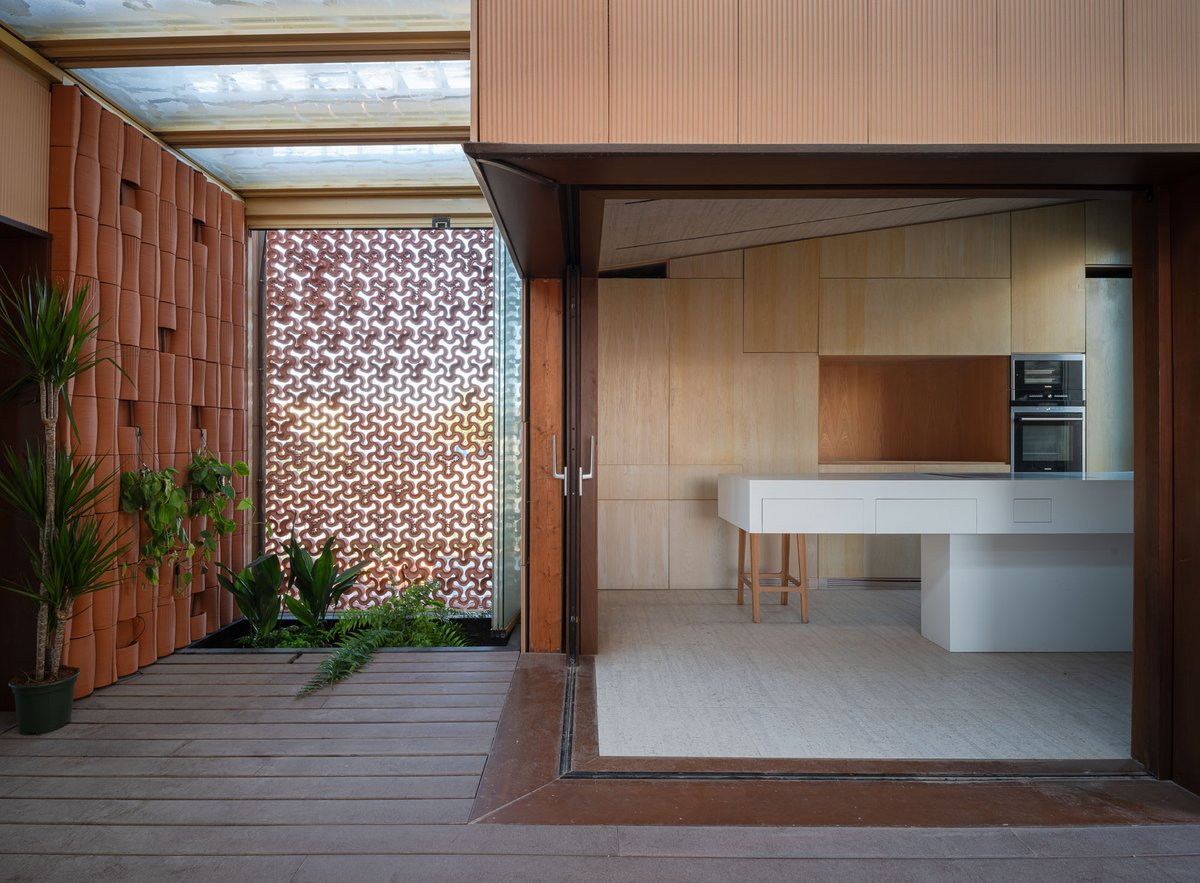
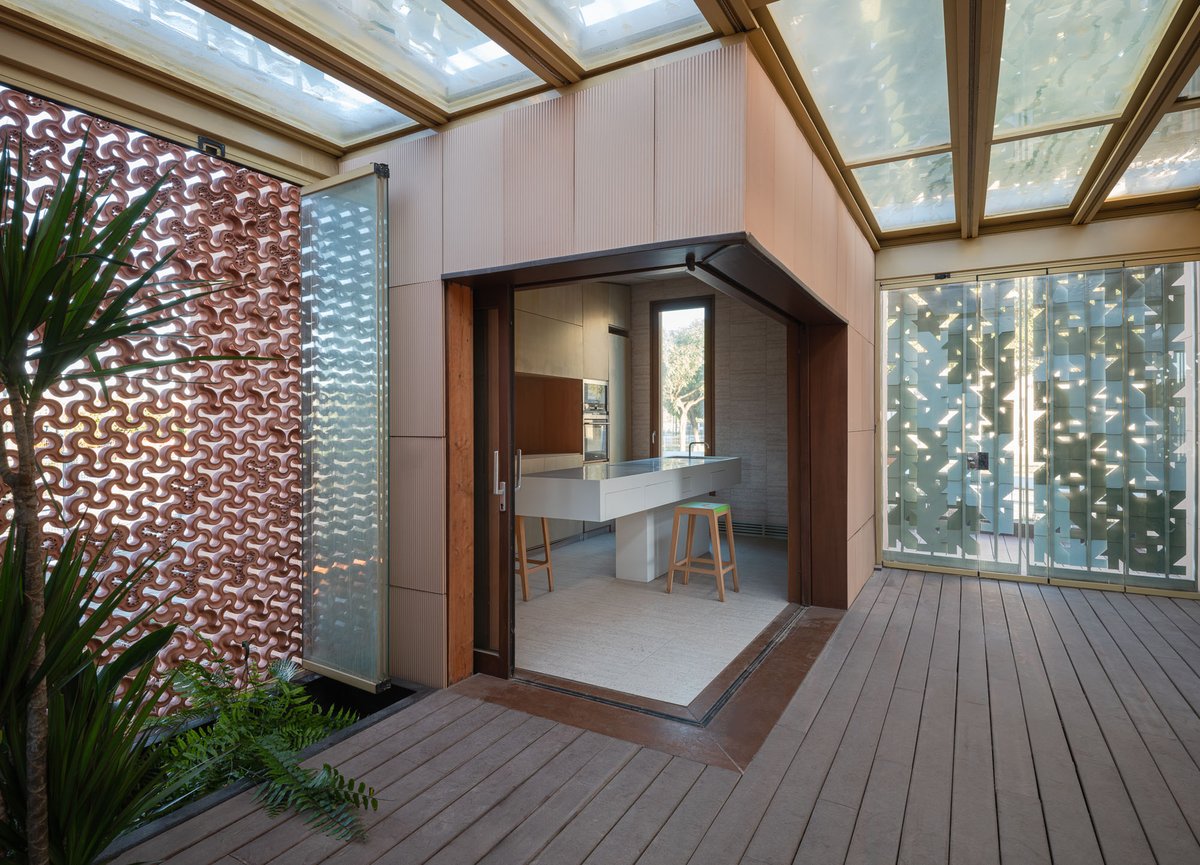
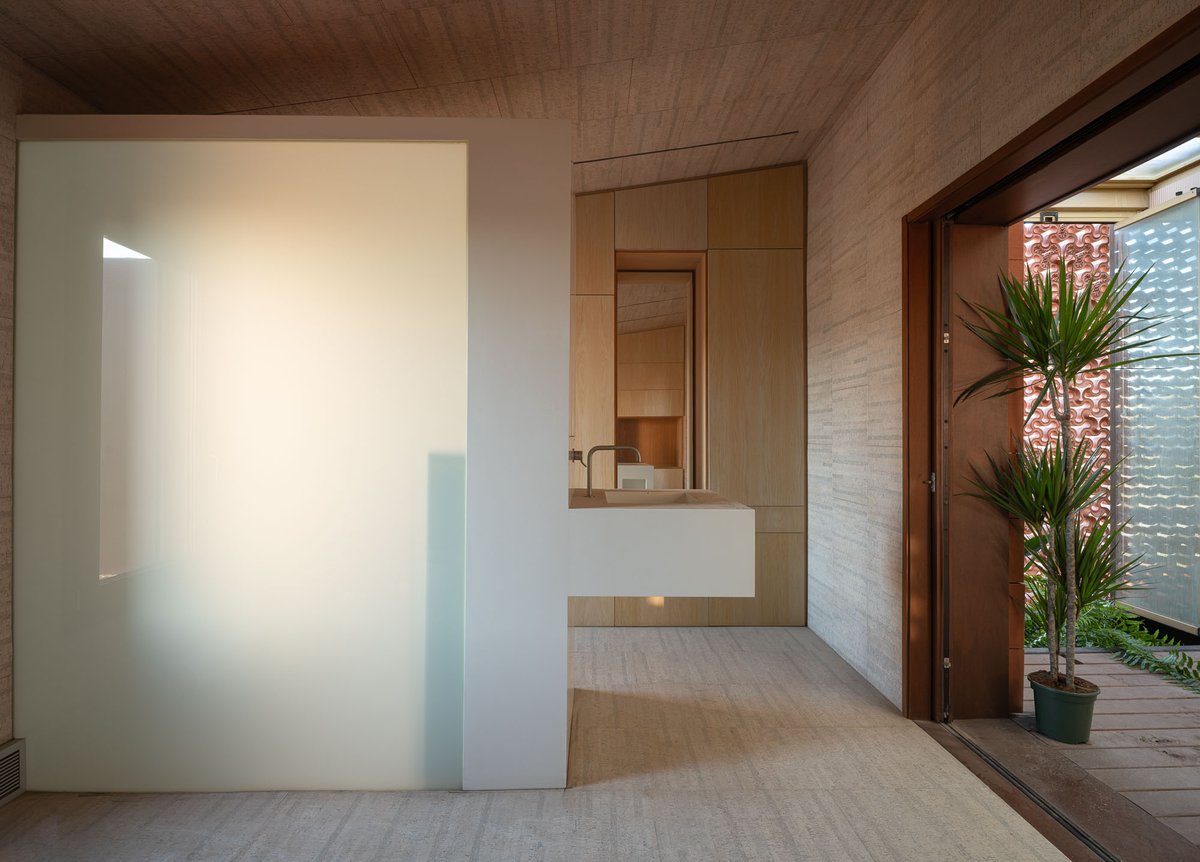
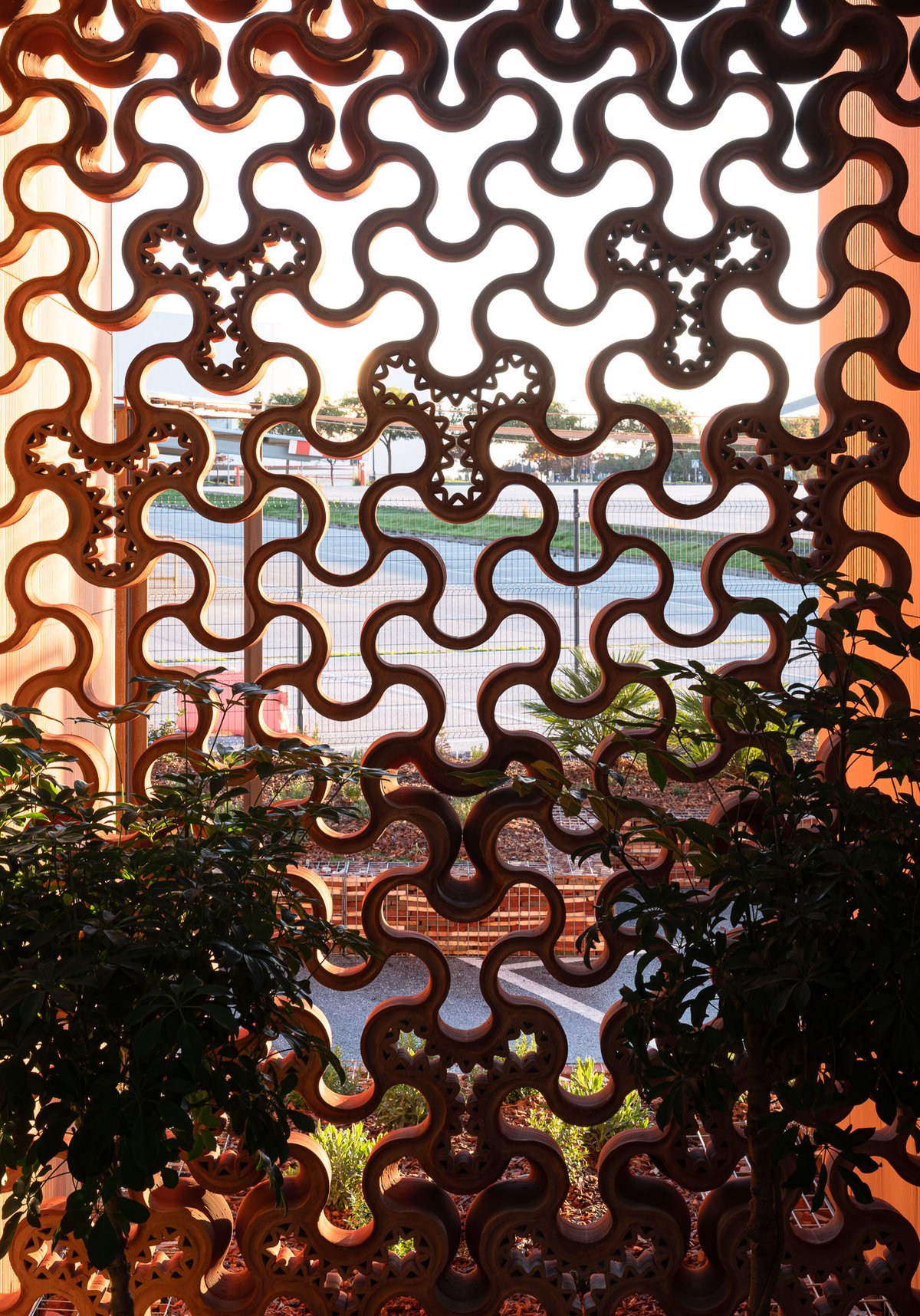
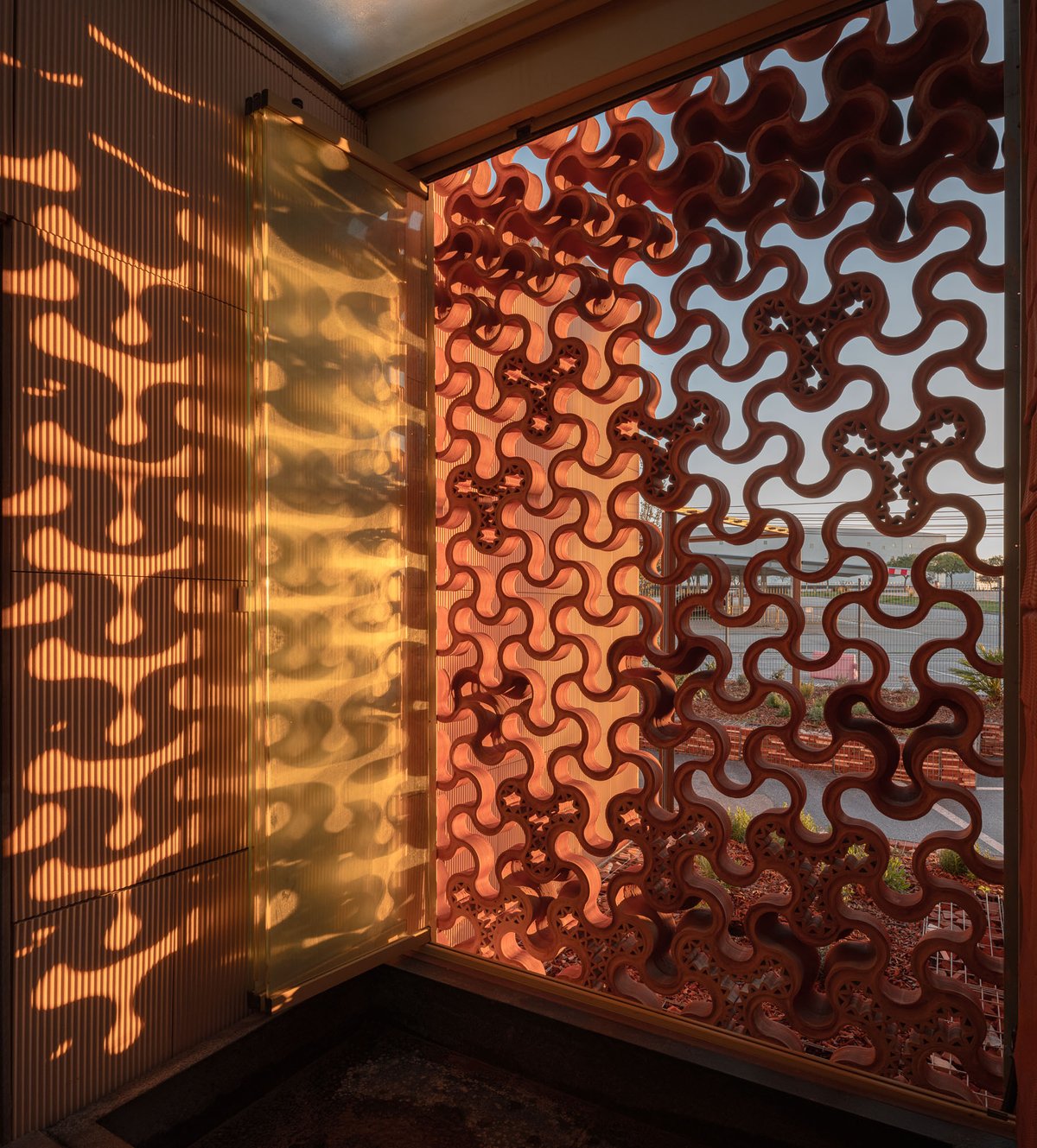
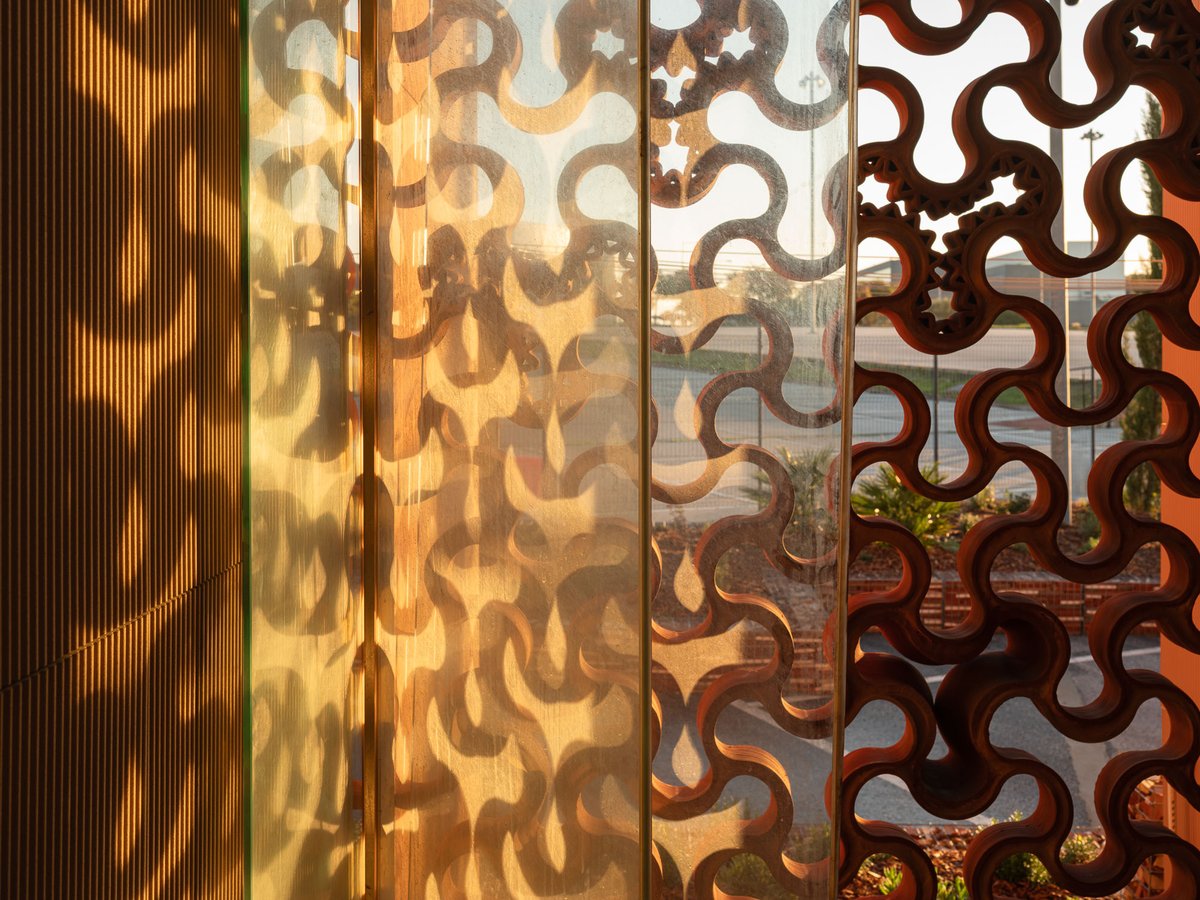
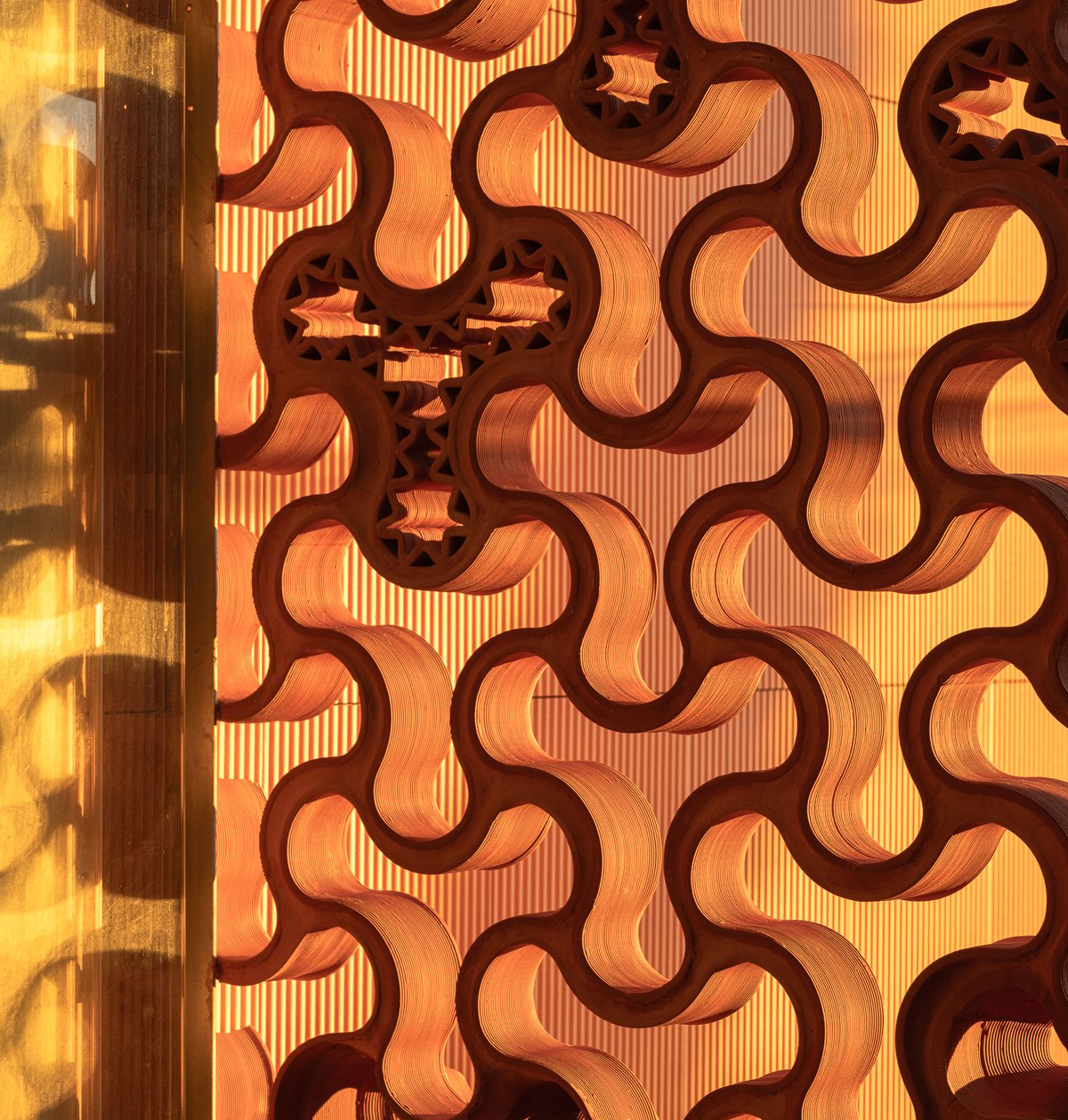
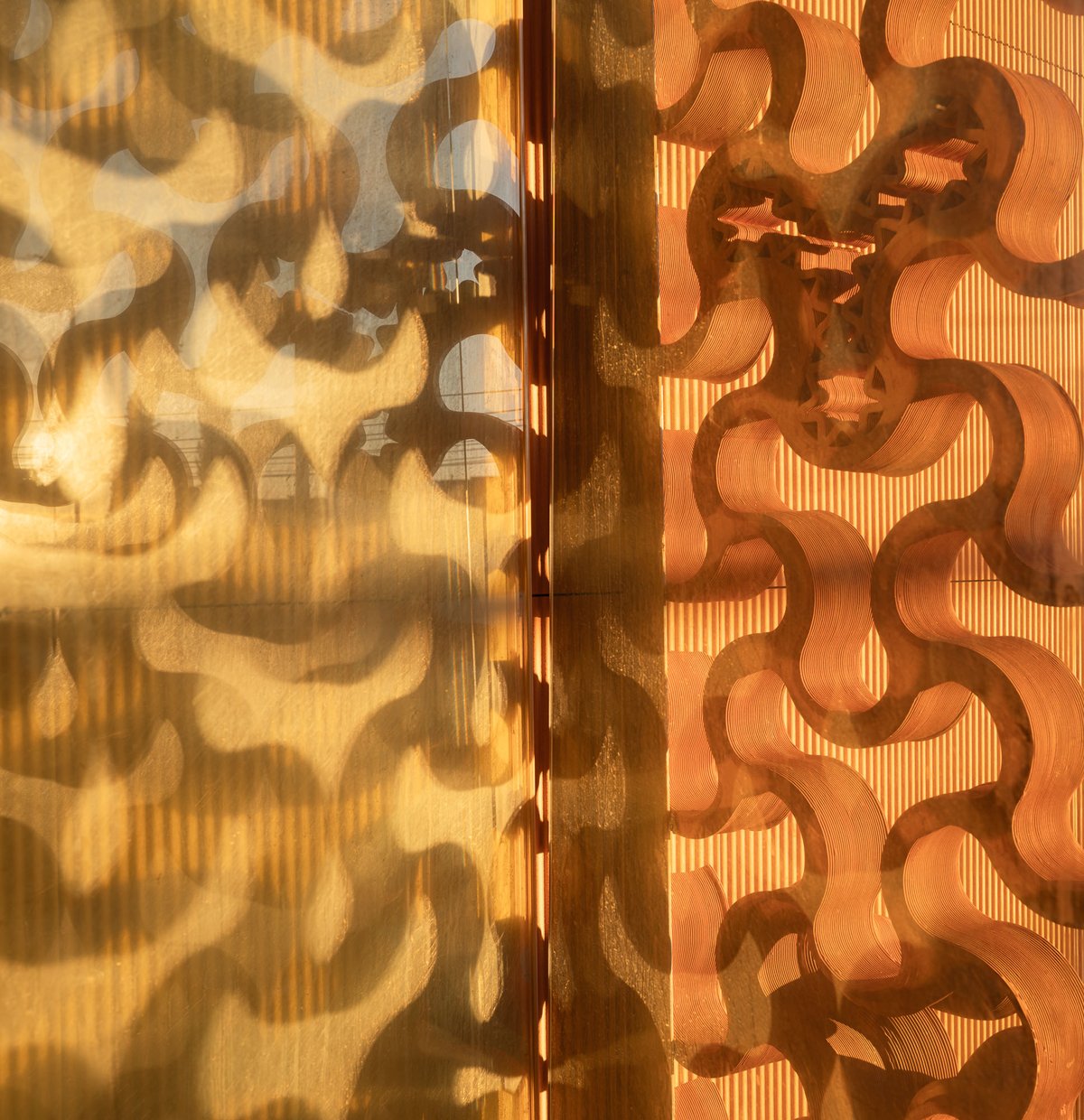
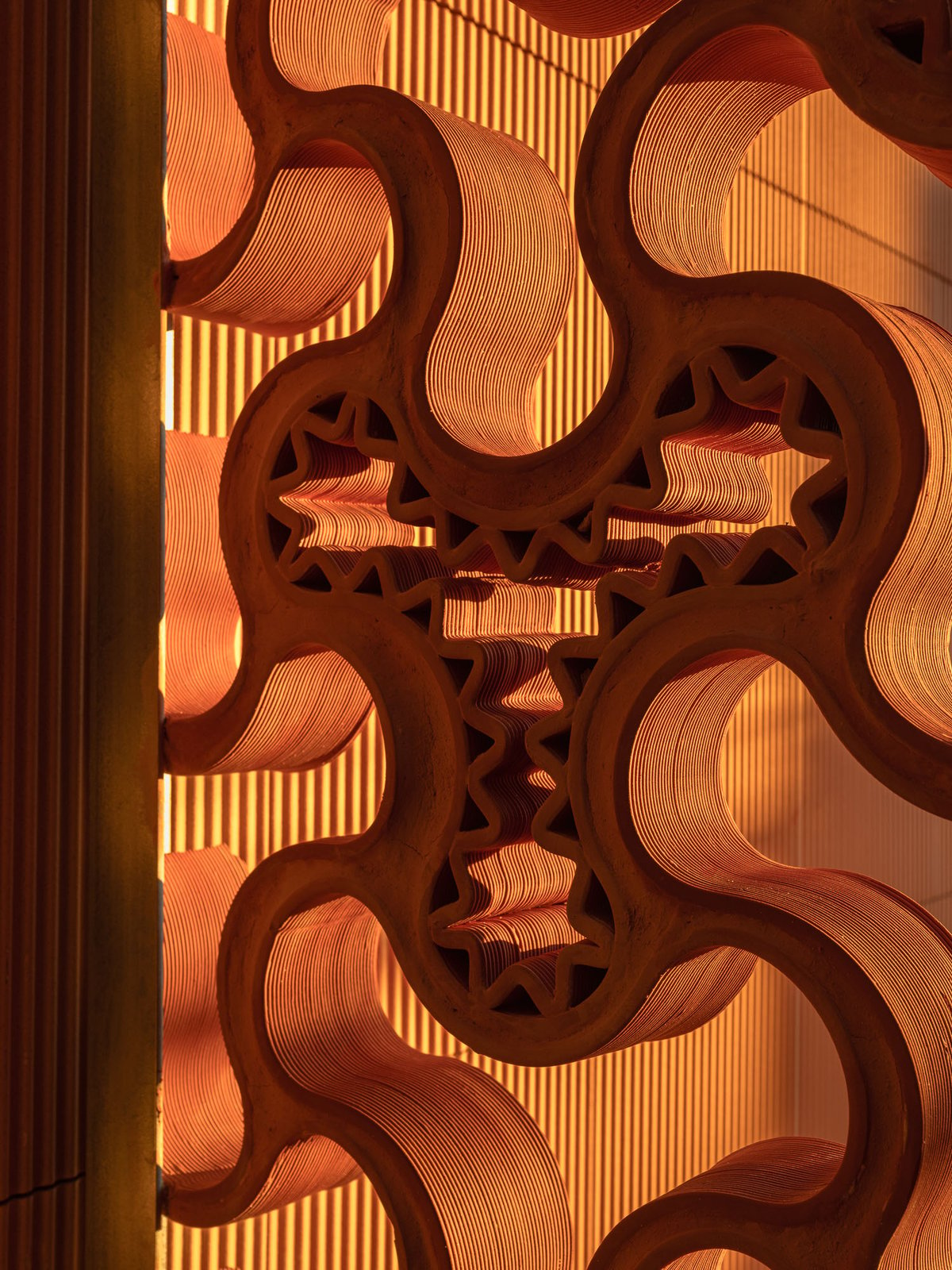
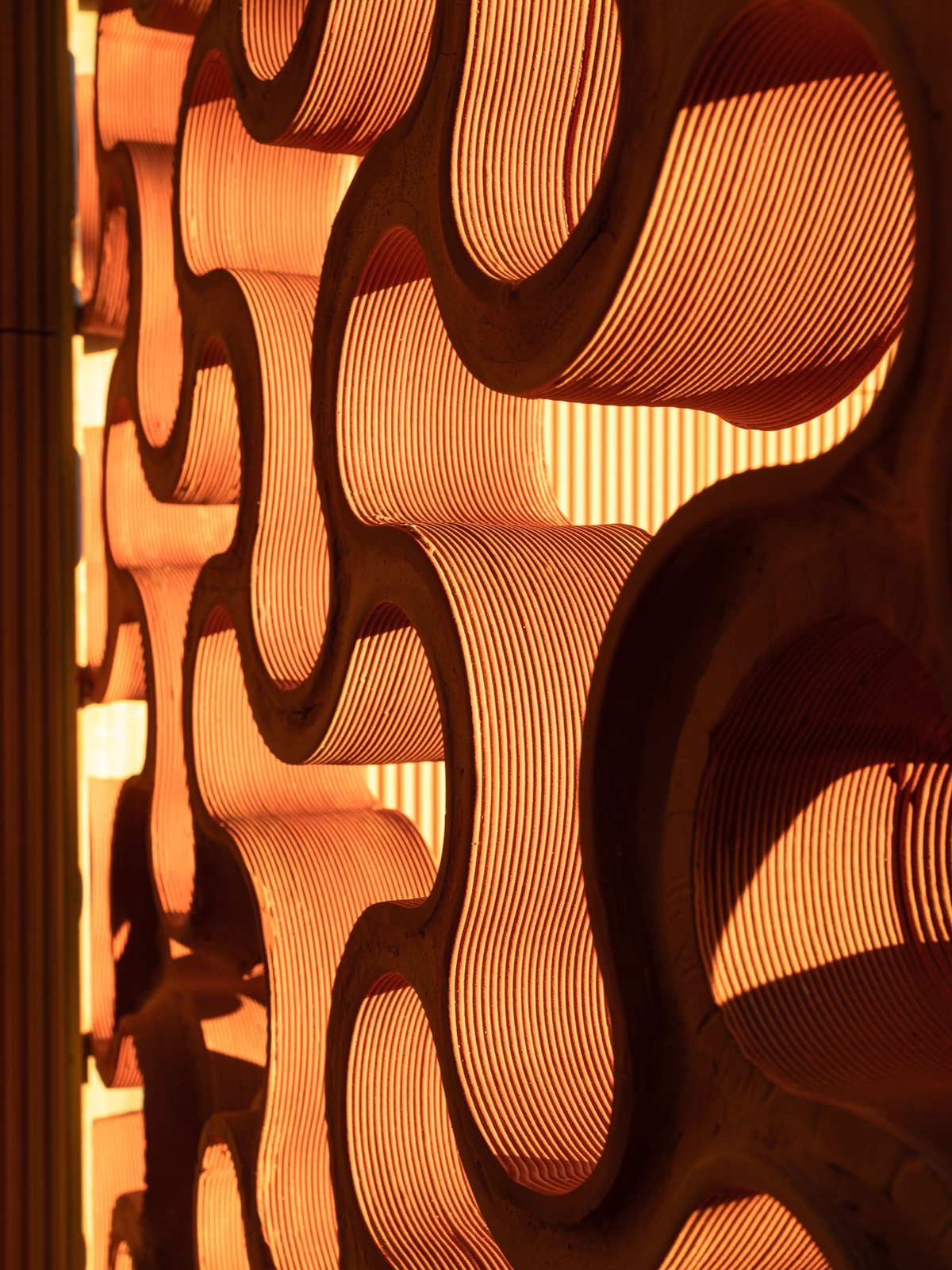
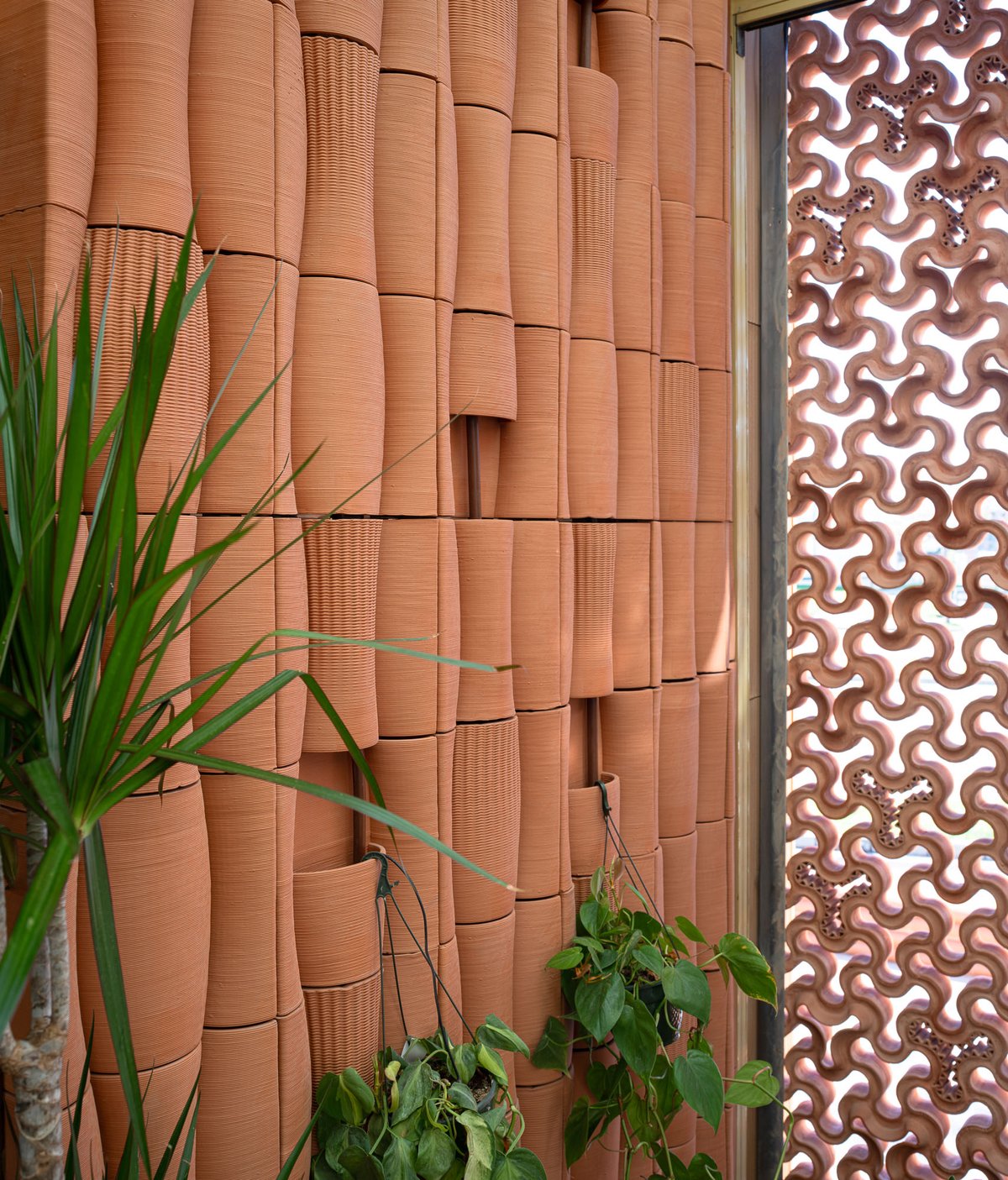
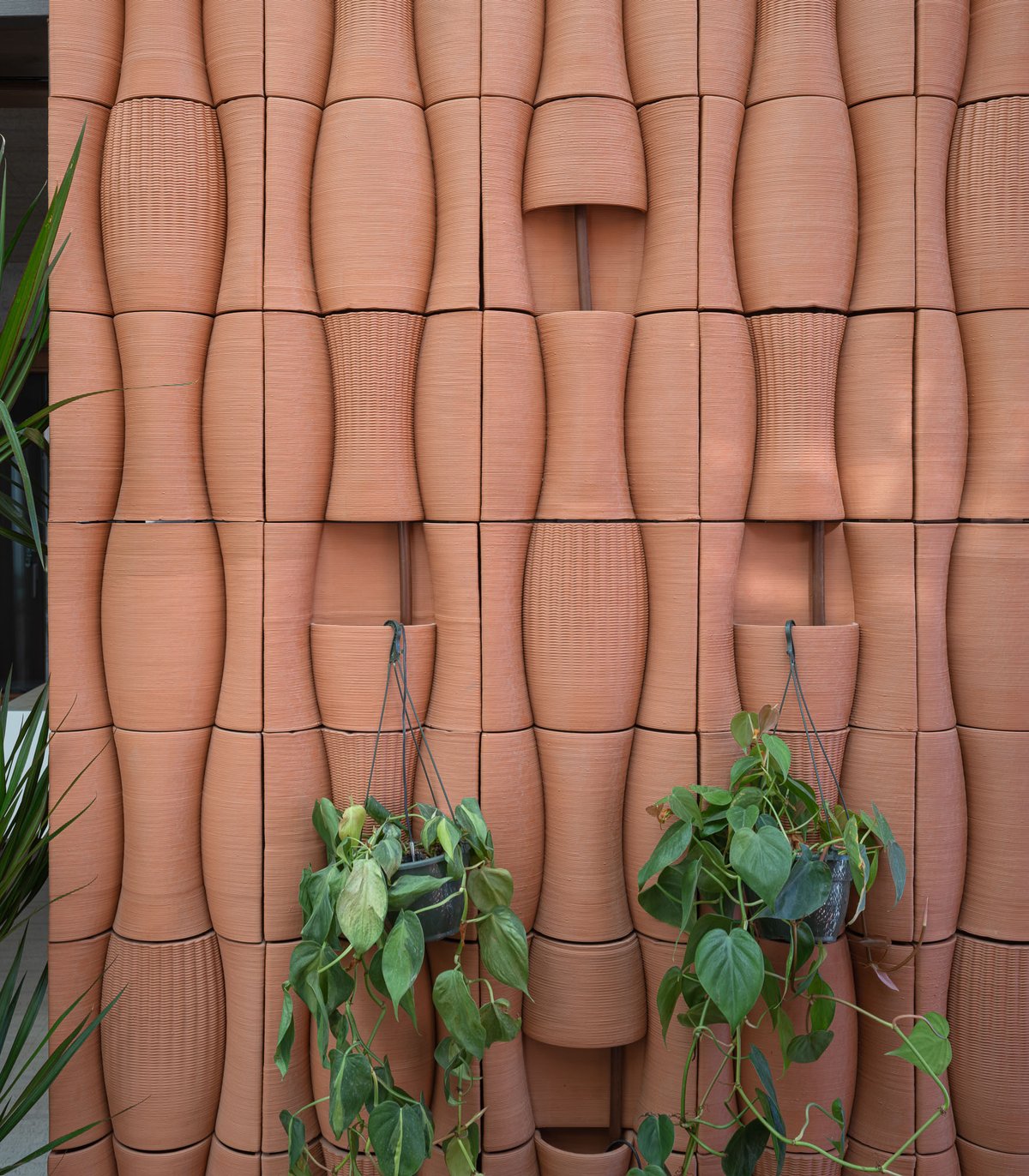
Marisa González Bandera / Ferran Ventura BlanchThe project to renaturalize the area surrounding Casa Patio 2.12 emerged as an evolution of a prototype conceived for the 2014 Solar Decathlon competition and is now reinterpreted as a built element that transforms a residual space on campus into a meeting place with climate-controlled comfort. The main objective has been to make ceramic pieces the core of an architectural system that no longer simply encloses or clads, but rather creates a microclimate, regulates air quality, and supports vegetation. The intervention area is located on the hard-packed strip that separates the Ada Byron building from the exterior campus space, originally designed as an asphalt surface lacking trees, shade, or other elements that encourage gathering. The intervention reorganizes this void by constructing an expanded courtyard that overflows the original footprint of Casa Patio 2.12 and colonizes the asphalt with a ceramic and plant belt, creating an open, porous, vegetated, and habitable space. Here, exposed ceramic tiles articulate benches, latticework, and perimeters capable of generating environmental well-being without resorting to active climate control systems. The intervention thus acts as a small-scale climate infrastructure, demonstrating the potential of ceramic material as a support for sustainable architecture, adept at the passive management of the Mediterranean climate. Typologically, the project functions as a hybrid space between a plaza, a courtyard, and a garden, designed to accommodate pauses, informal gatherings, and rest periods linked to the academic life of the building. The arrangement of the ceramic benches creates perimeters for lingering, while the latticework, the pergola, and the vegetation create gradients of shade and visual filters that protect from direct sunlight, improve thermal comfort, and lend a more domestic and welcoming scale to the surroundings of the research building.
Naturalezas docentes. Isla y Senda Verde Facultad de Ciencias de la Educación. Universidad de Málag
Málaga
Smart City Kids. Espacios para la conciliación familiar.
Málaga
Pavilion E4. Efficient Outdoor Educational Space
Málaga
Living classroom. Experimental classroom in early childhood education
Málaga
Reform of existing building of Technical University School of Architecture of Malaga
Málaga
IDRIS Housing Building
Málaga
Conjunto Premier Restoration
Málaga
Malaga cathedral roof
Málaga
Oceanika Coliving
Málaga
AIRZONE office refurbishment
Málaga
Cuatro edificios de oficinas en la ampliación del Parque Tecnológico de Andalucía
Málaga
Remedios Rojo Public Vocational Training Centre for Employment
Málaga
Naturalezas docentes. Isla y Senda Verde Facultad de Ciencias de la Educación. Universidad de Málag
Málaga
Smart City Kids. Espacios para la conciliación familiar.
Málaga
Mayoral Headquarters Extension
Málaga